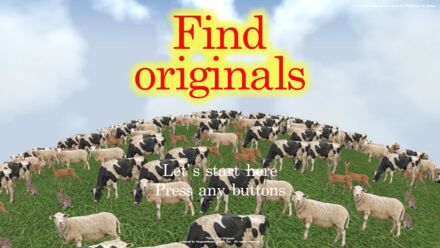
Find originals
제작연도: 2026
갈래: short video
갈래: short video
Find originals
(2026)
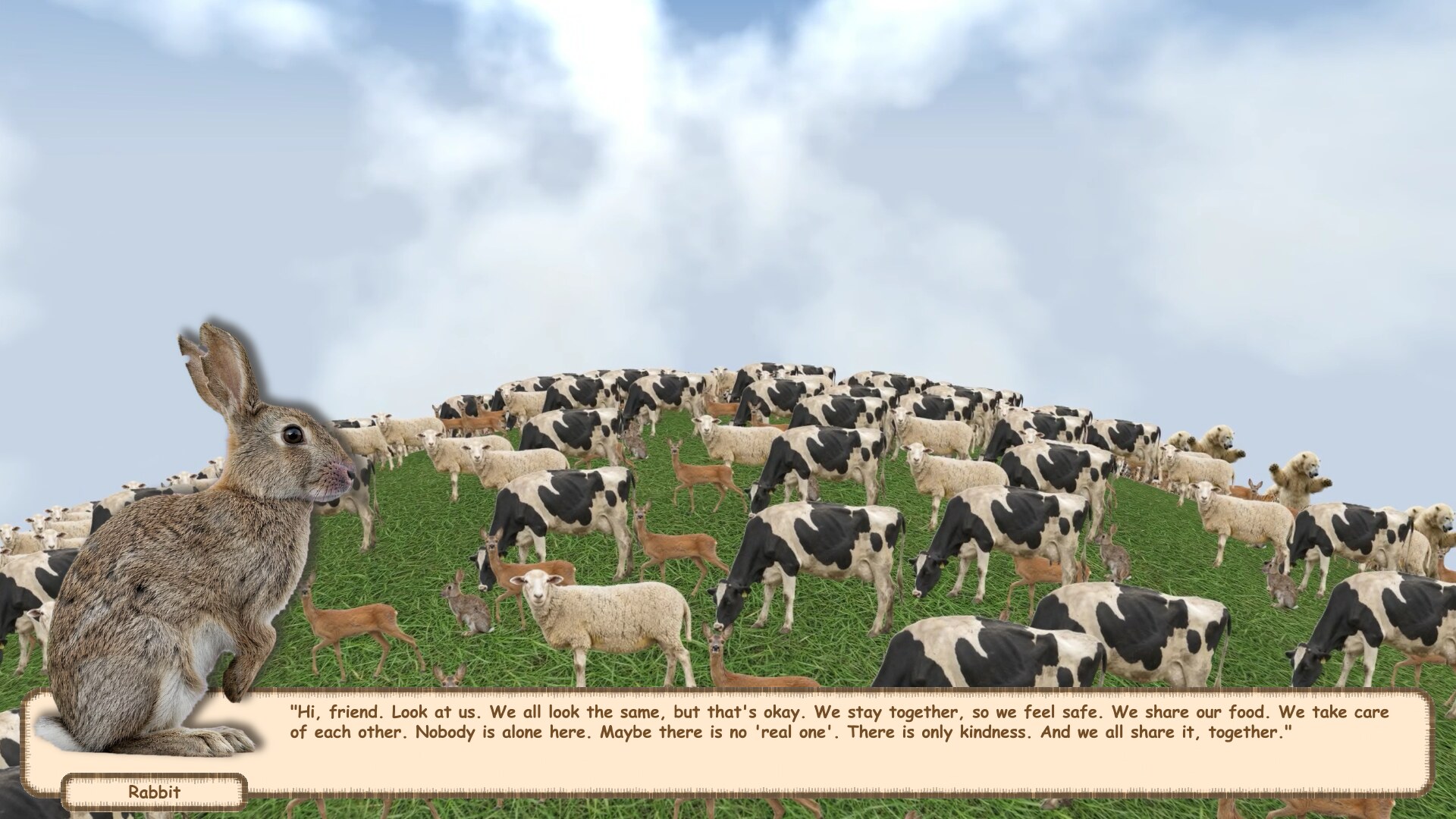
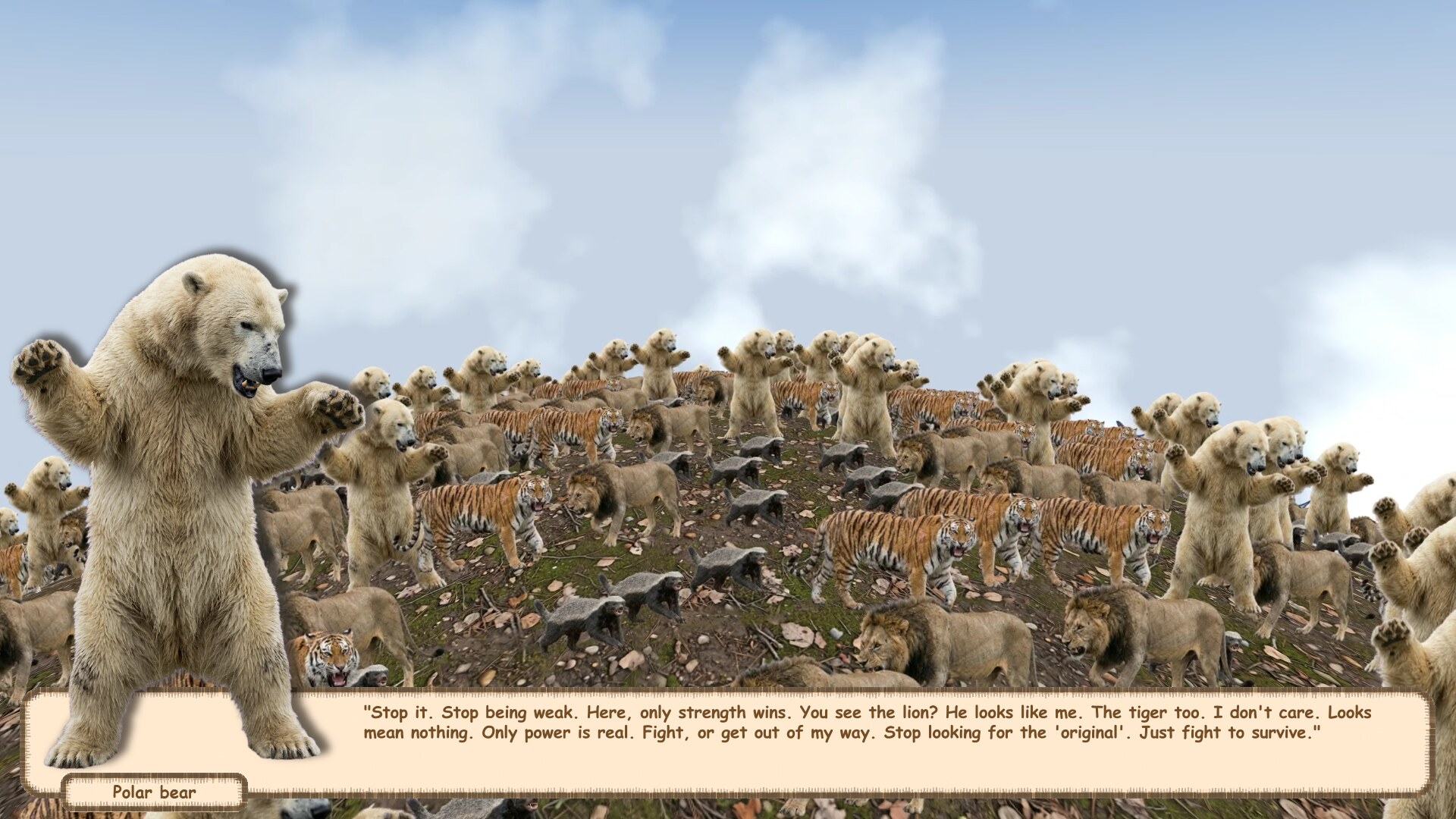
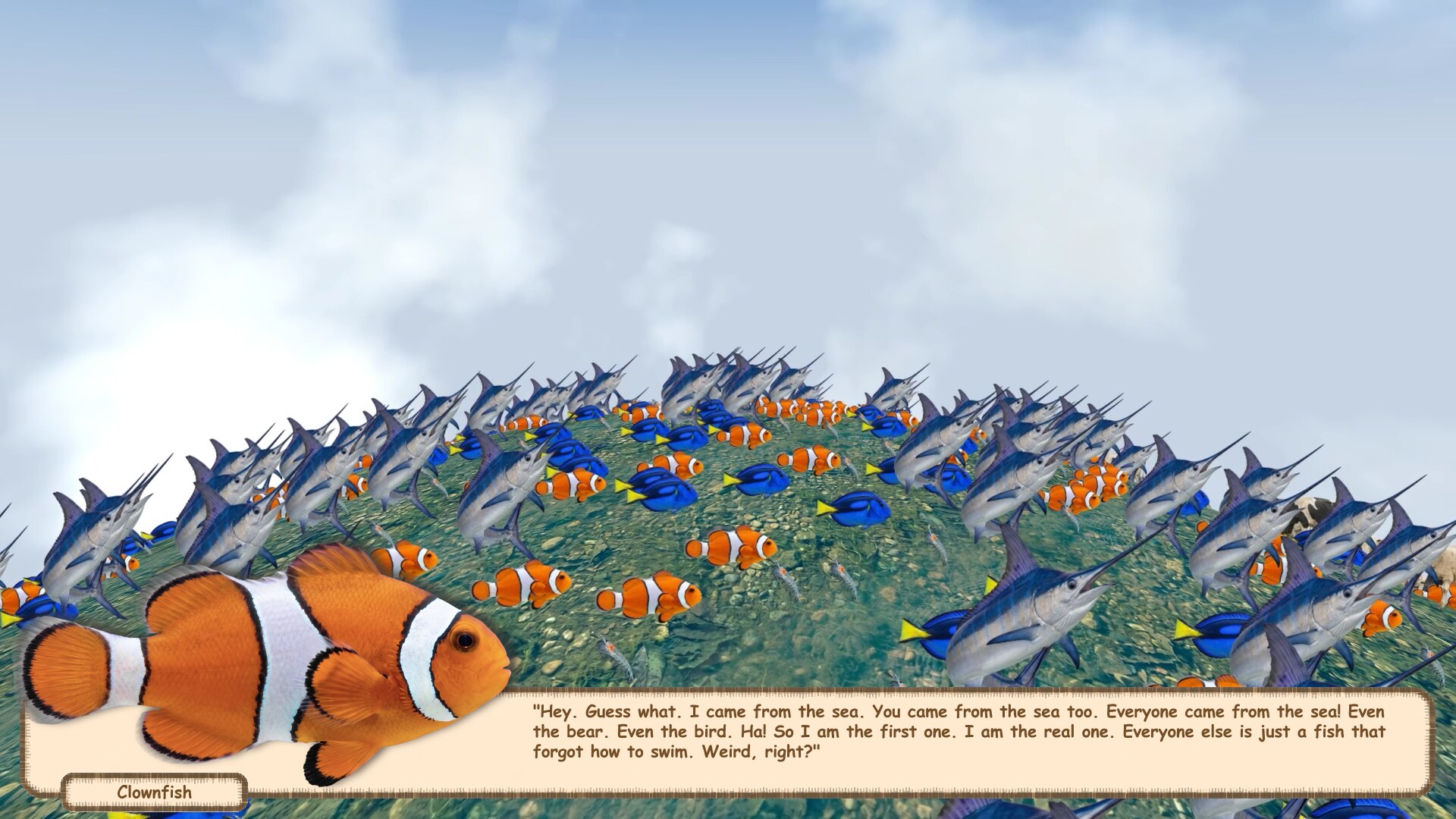
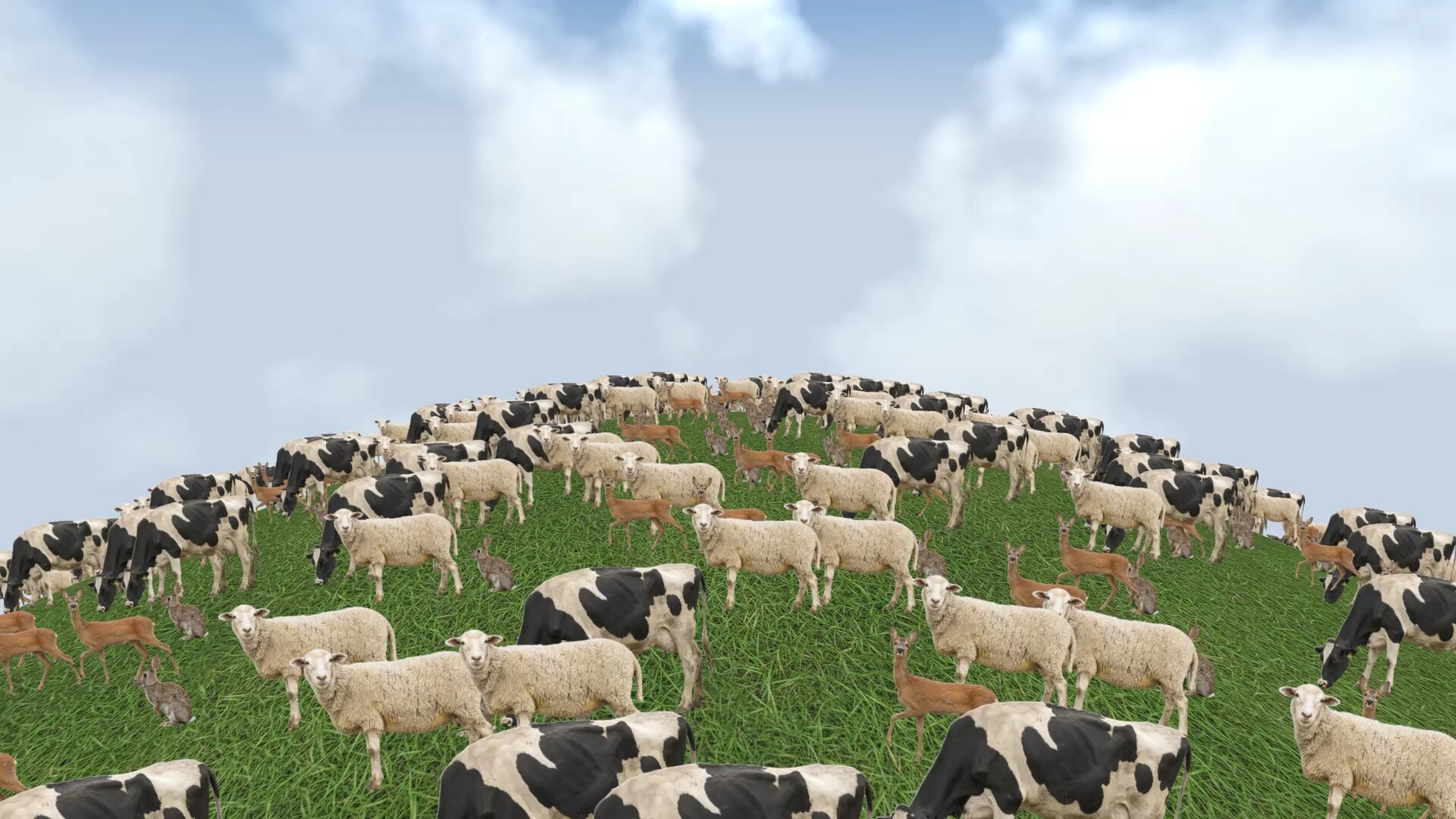
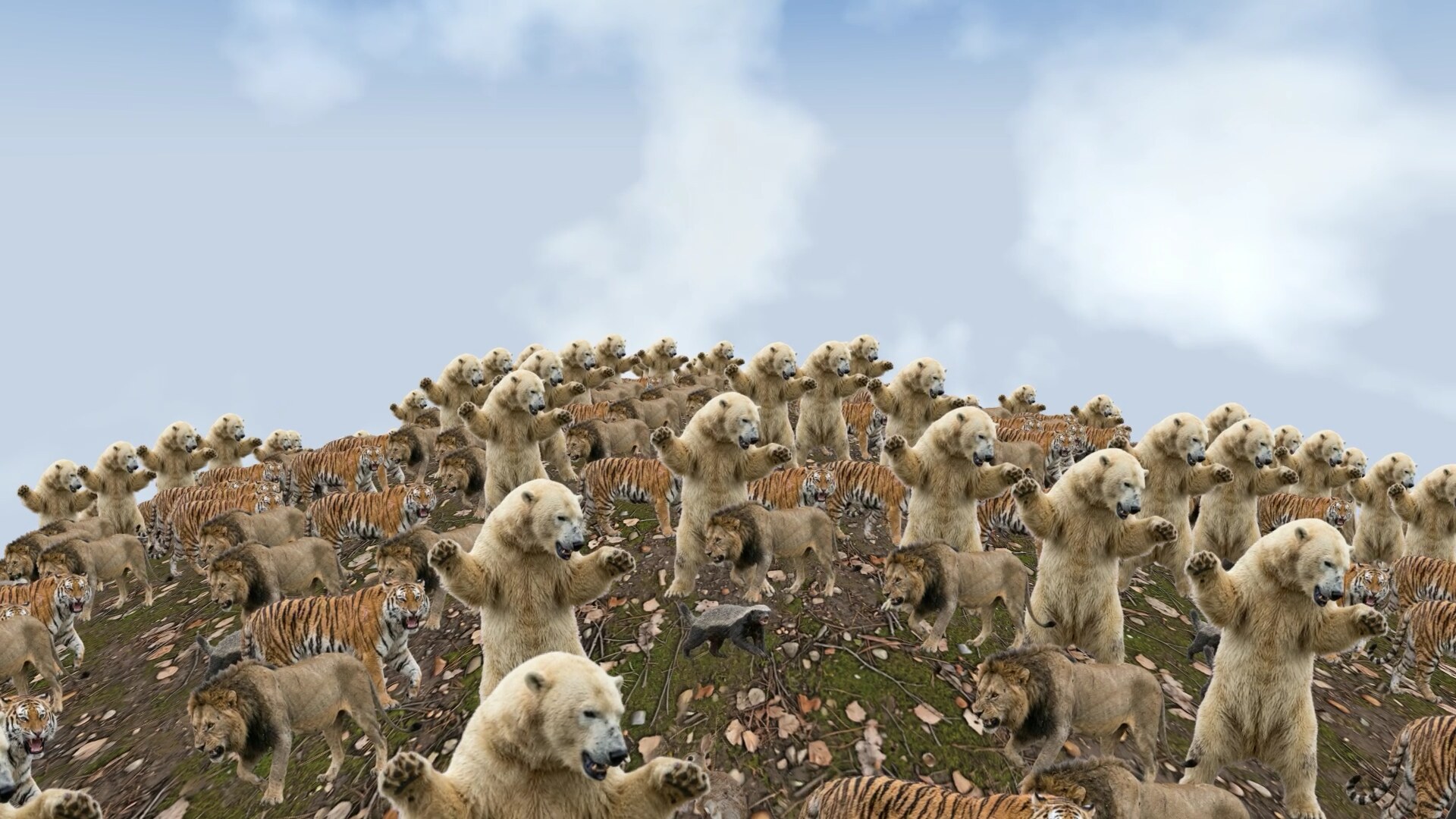
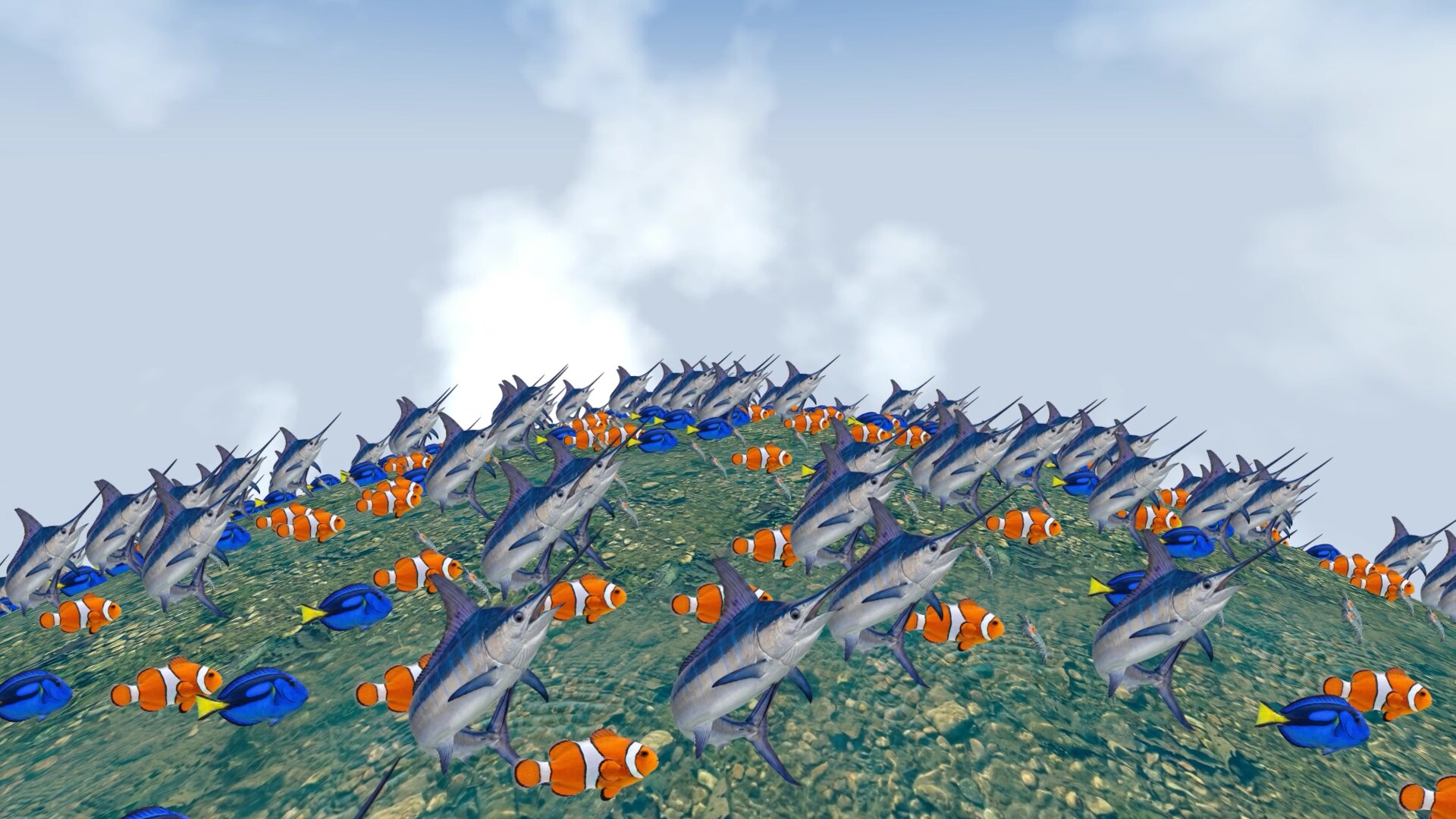
초식동물, 육식동물, 바다생물이 사는 세 구역을 돌아다니며 어떤 동물이 ‘원본’인지 찾아가는 과정을 담은 게임 형식의 영상이다. 같은 모습의 동물들이 반복되는 공간에서 각 구역을 대표하는 동물들을 만나고, 원본에 대한 서로 다른 생각을 듣는다. 평면 이미지를 3D 공간에 세우는 2D 빌보드 방식을 사용해 연산량과 메모리 사용을 줄이면서 공간을 구현했다. 배경음악은 닌텐도 게임 《Pilotwings 64》의 수록곡 〈Replay〉를 세 가지 버전으로 리믹스해 사용했다.
This game-style video follows a search for the “original” animal across three areas: one for plant-eating animals, one for meat-eating animals, and one for sea creatures. The same animal images appear again and again. In each area, a representative animal shares a different idea about what “original” means. I placed flat images in a 3D space using a method called 2D billboarding. This helped reduce the computing power and memory needed. For the background music, I made three remixes of 〈Replay〉 from the Nintendo game 《Pilotwings 64》.
Reading tillmans' concorde
제작연도: 2026
갈래: short book
갈래: short book
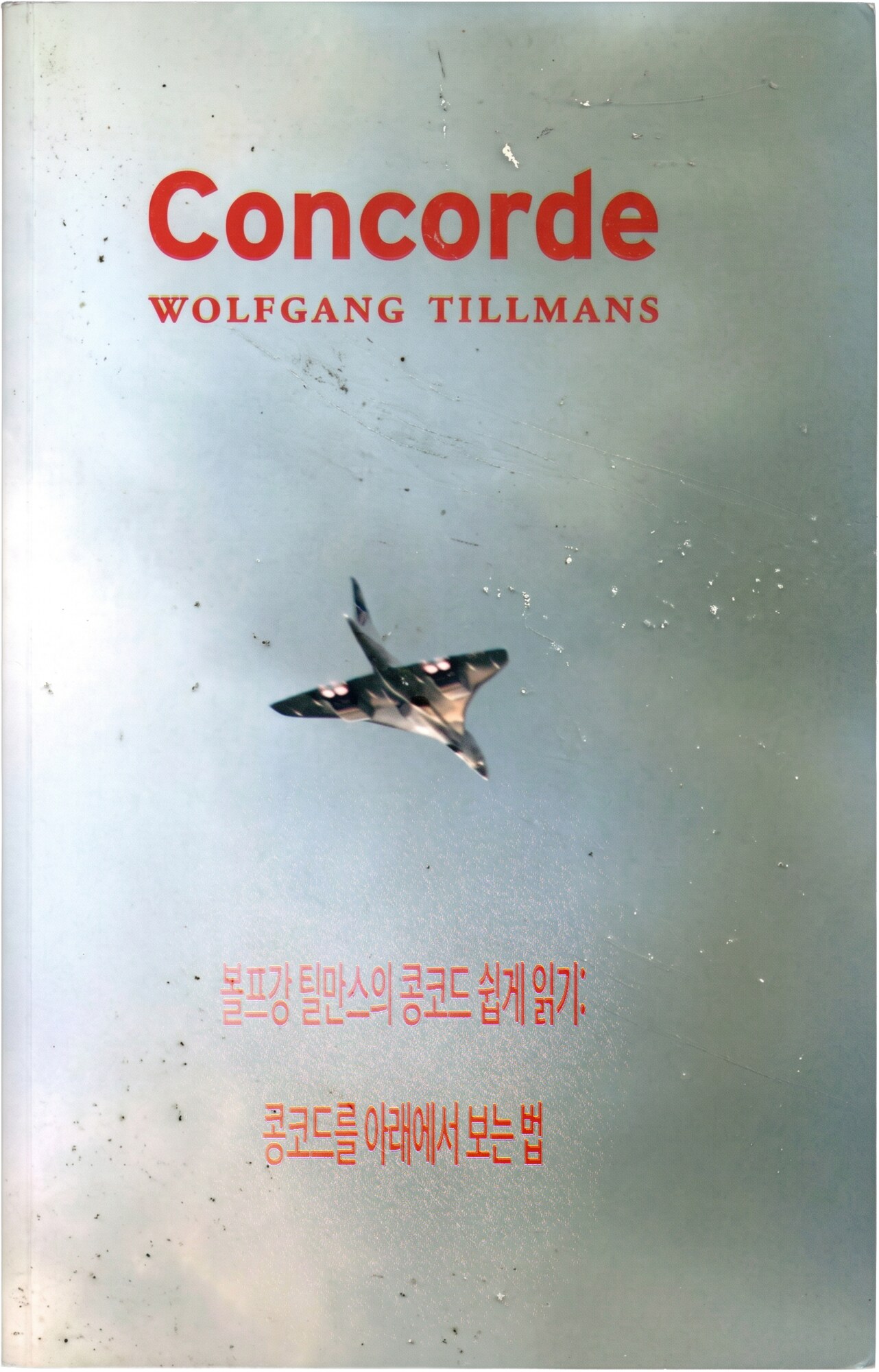
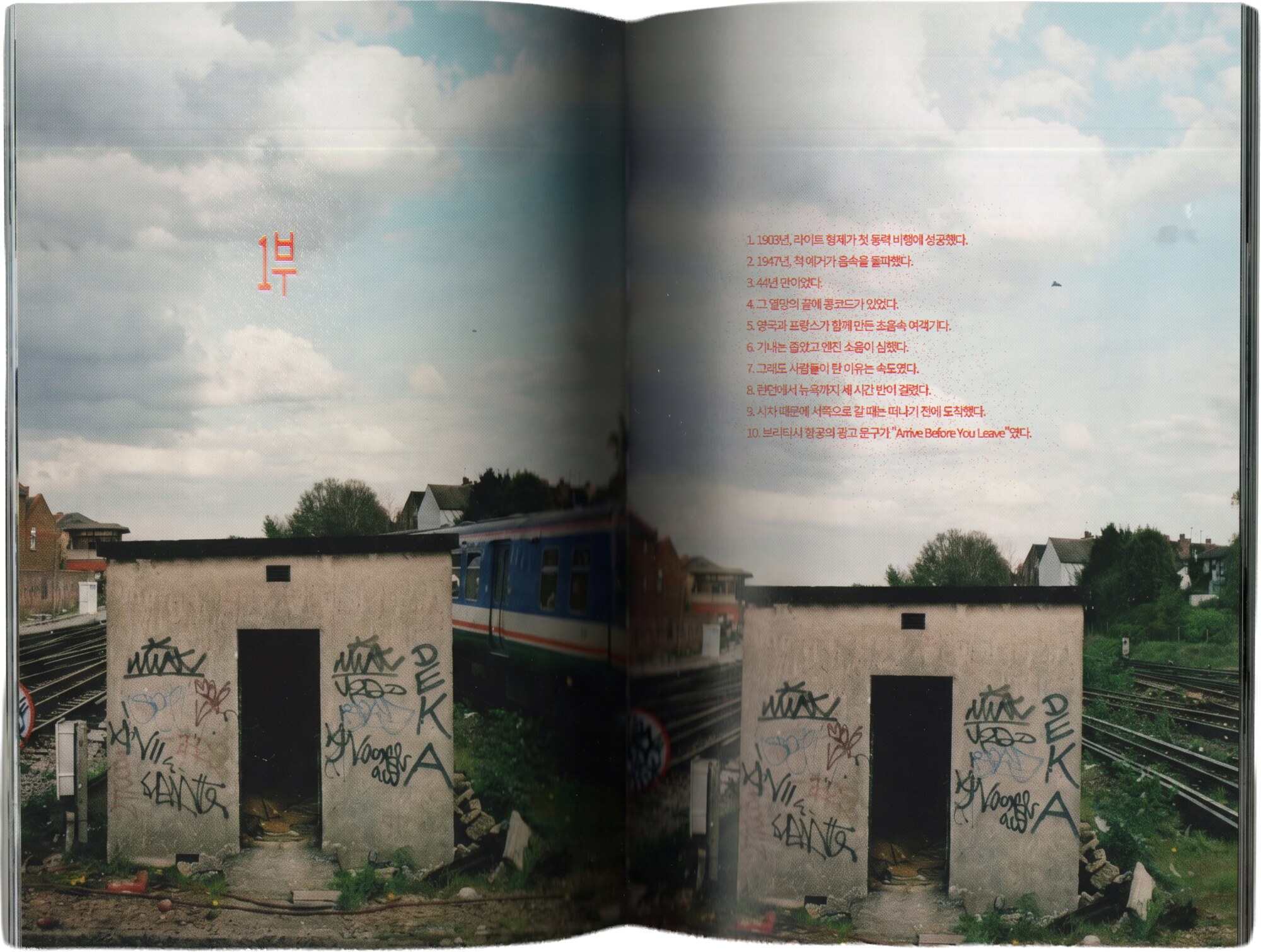
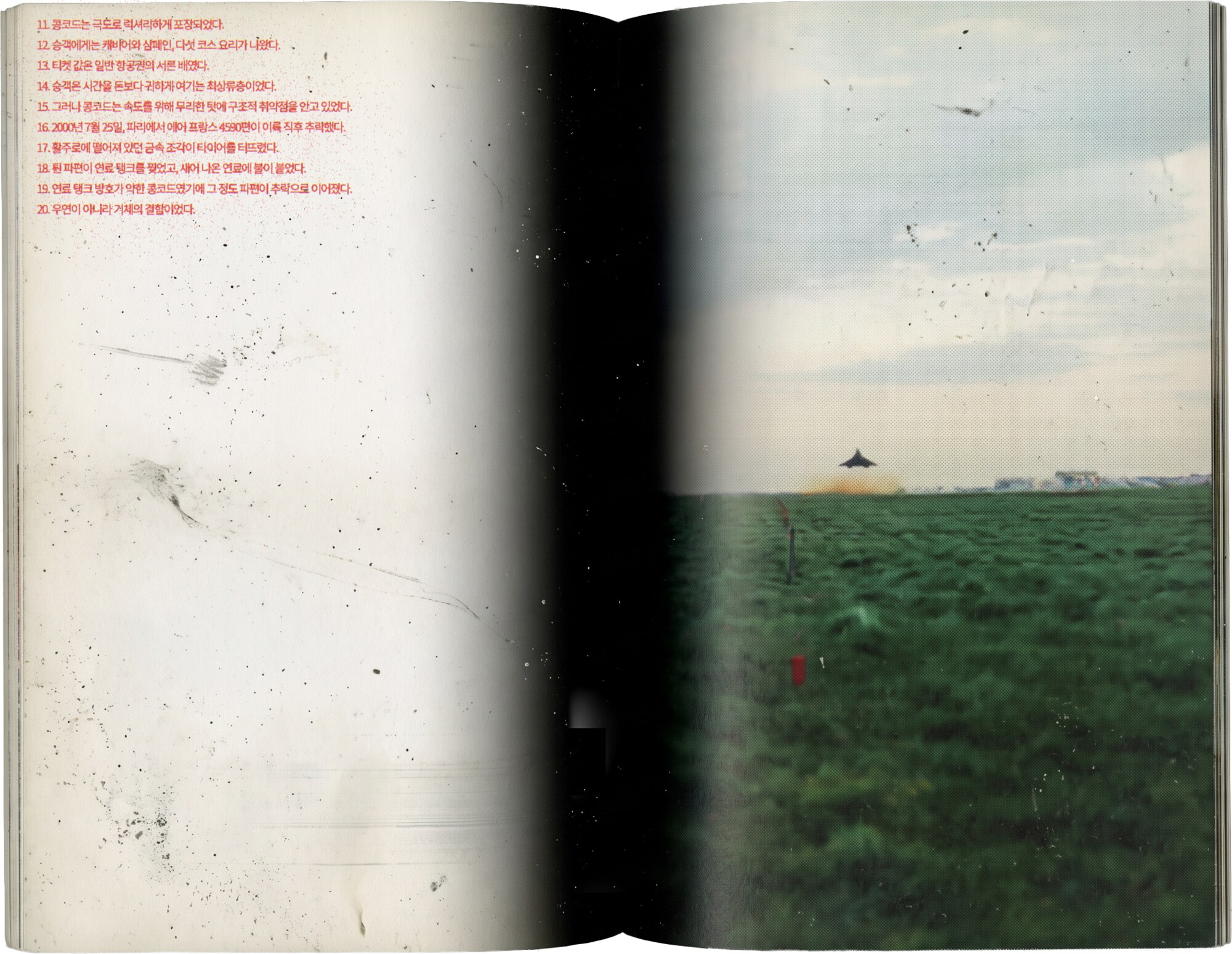
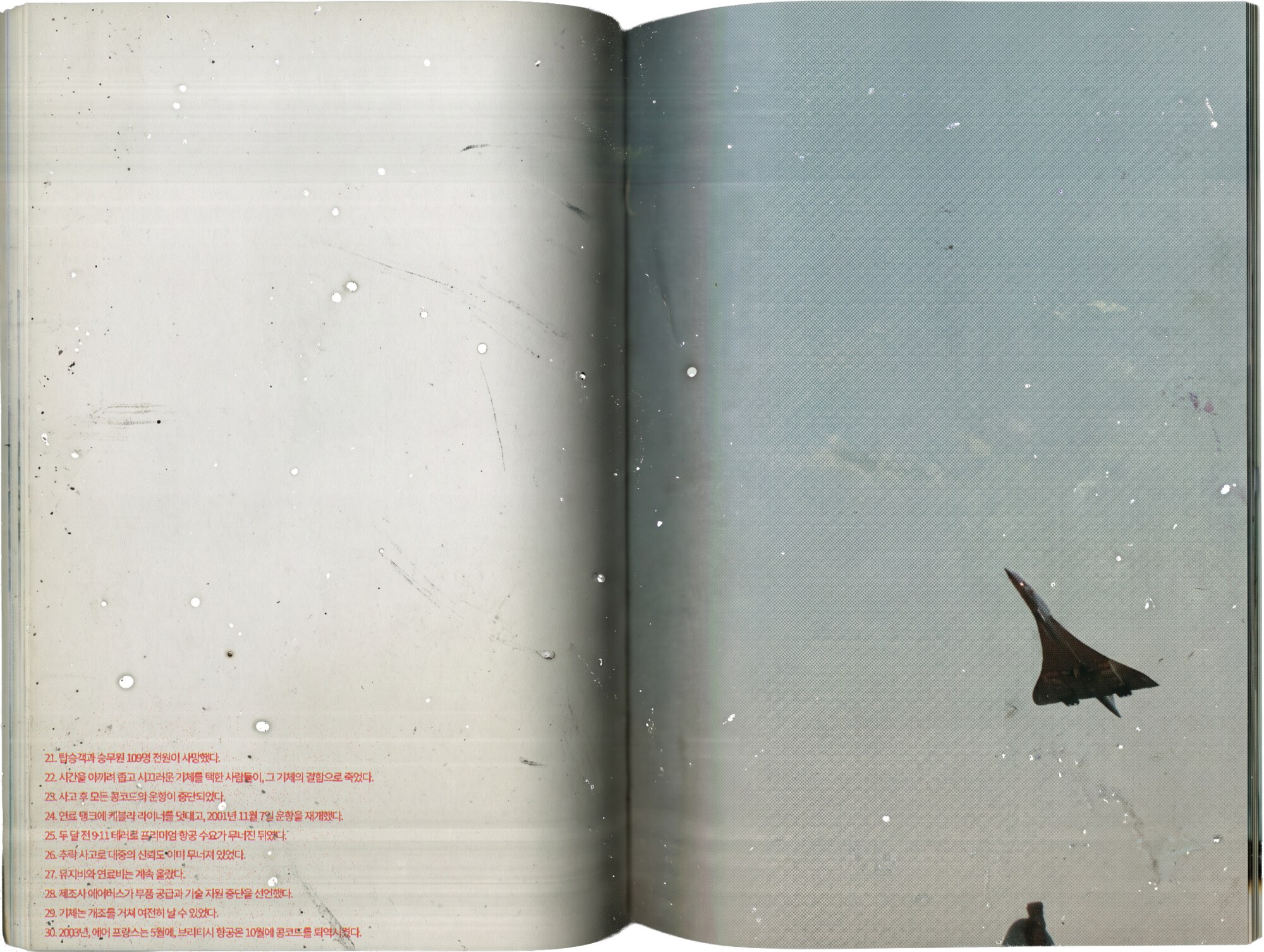
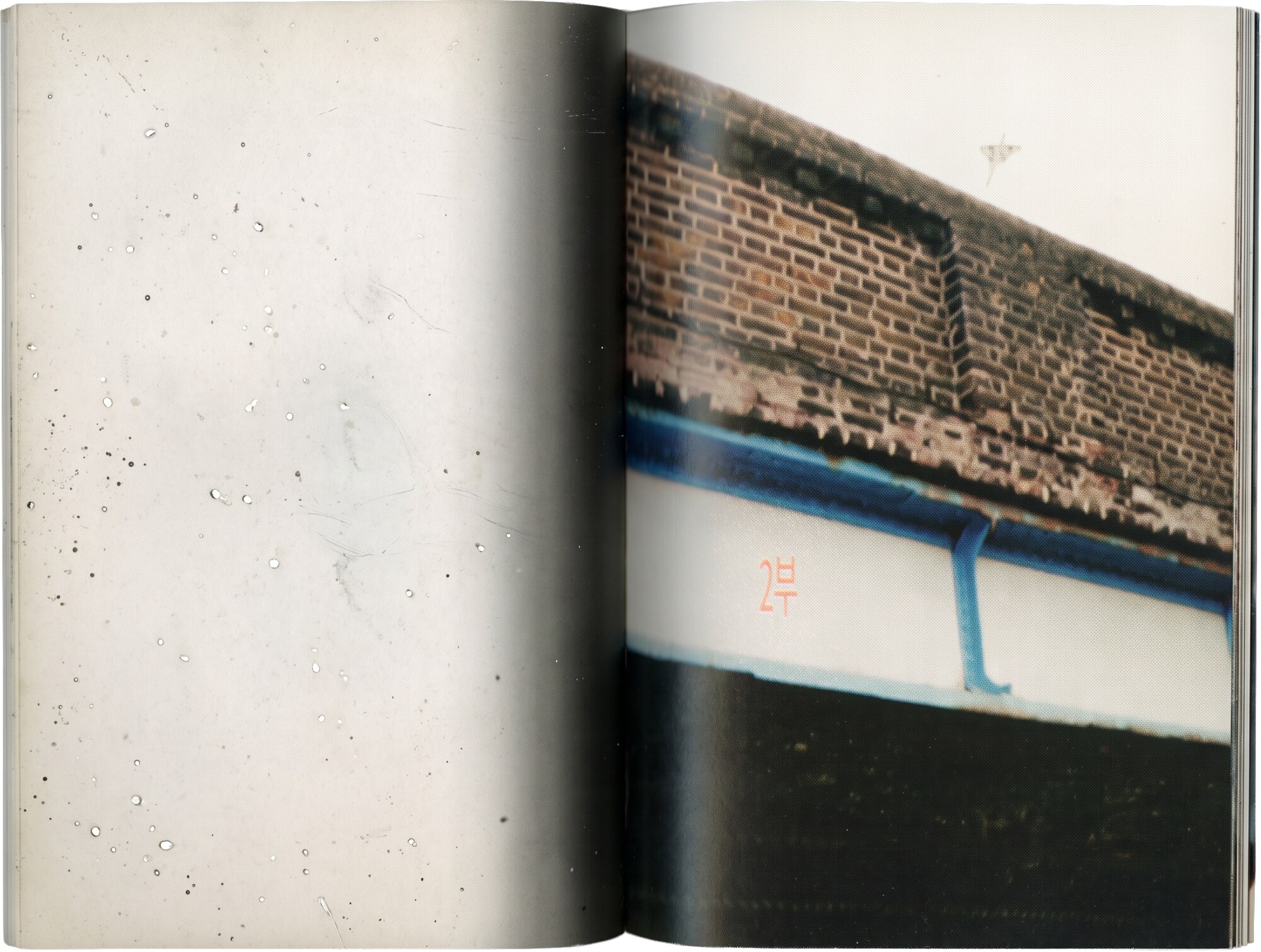
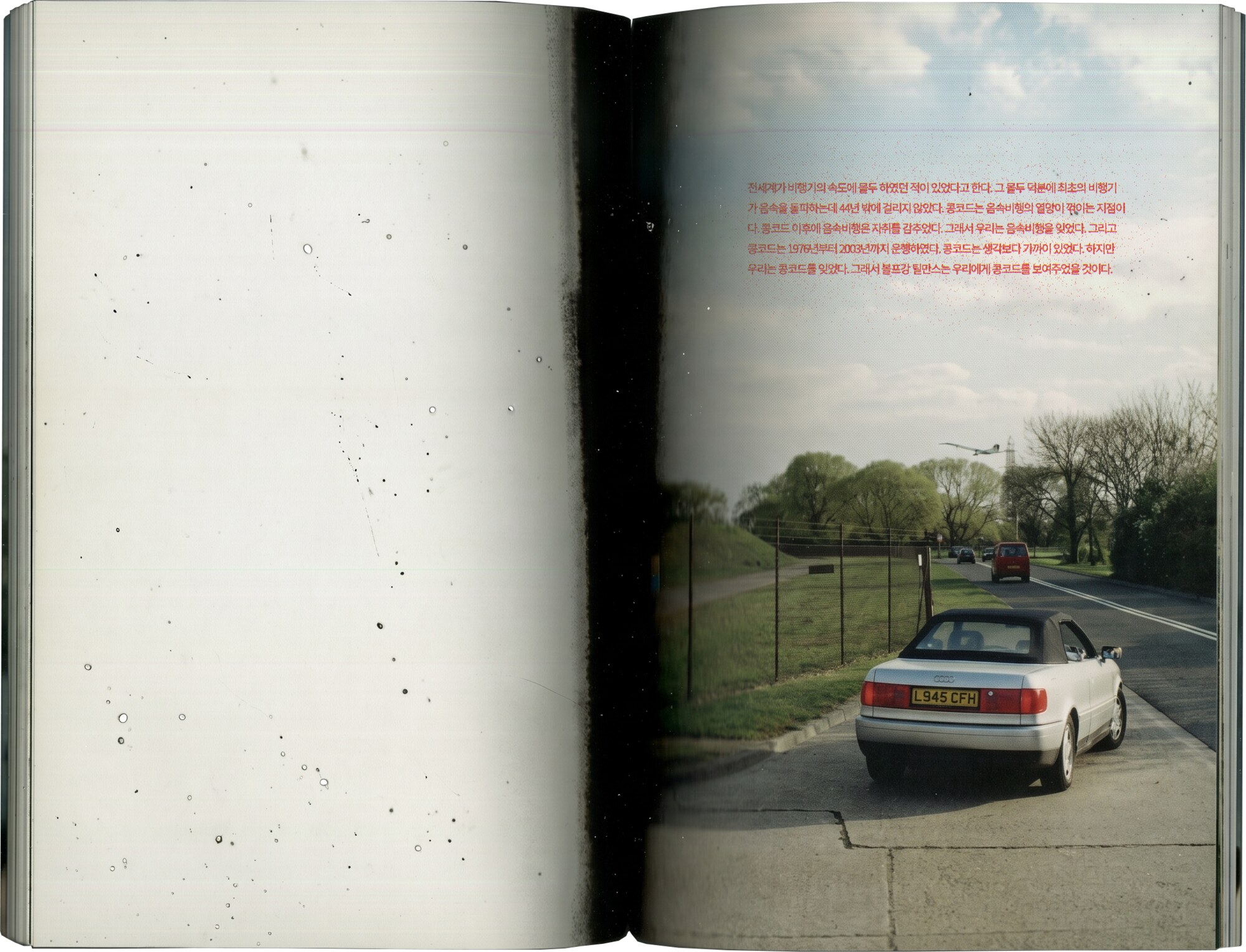
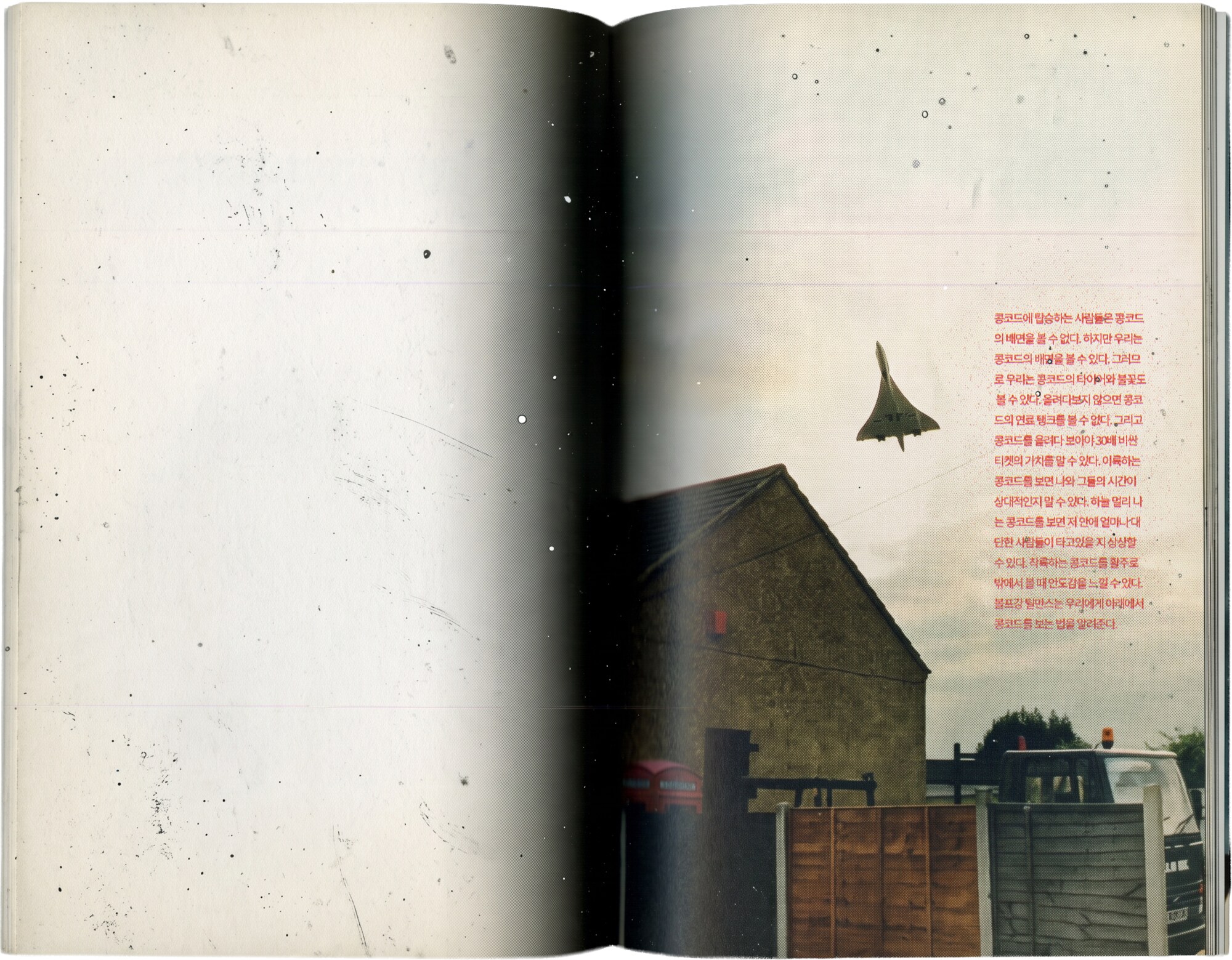
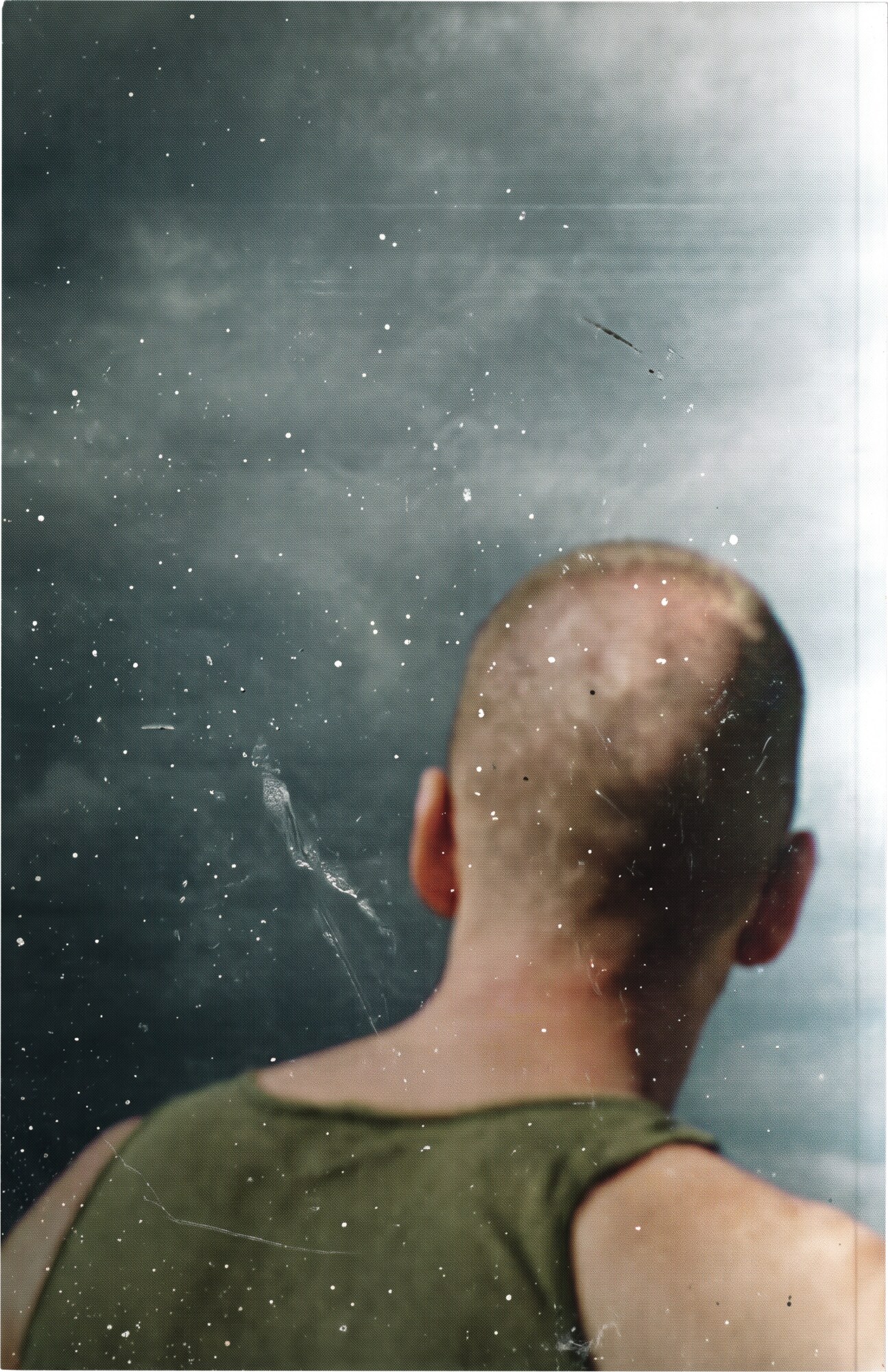

Reading tillmans’ concorde
(2026)
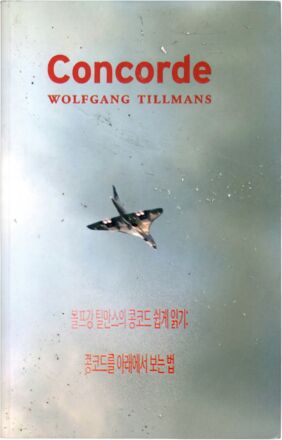
사진가 볼프강 틸만스의 책 위에 해설을 덧붙이고, 스캔해 만든 책이다. 틸만스와 비행기 콩코드를 모두 좋아하는 사람이 그의 책을 발견하고 깊은 감명을 받아, 자신만의 해설을 더해 무단으로 배포한다는 설정에서 출발했다. 투박한 글자 배치와 거친 스캔 이미지를 통해 이 팬이 직접 만든 책의 모습을 표현했다. 해설은 콩코드의 이야기를 소개하는 1부와 틸만스가 콩코드를 바라보는 특별한 시선을 설명하는 2부로 나뉜다.
I made this book by adding commentary to the pages of a book by photographer Wolfgang Tillmans and scanning them. The project follows an imagined fan of both Tillmans and the Concorde aircraft. Deeply moved by the book, the fan adds his own notes and shares it without permission. Rough text layouts and scanned images make it look like a book made by the fan himself. Part one tells the story of Concorde. Part two explains Tillmans’s unique way of looking at the aircraft.
Digital beed curtains
제작연도: 2026
갈래: interactive etc
갈래: interactive etc
Digital beed curtains
(2026)
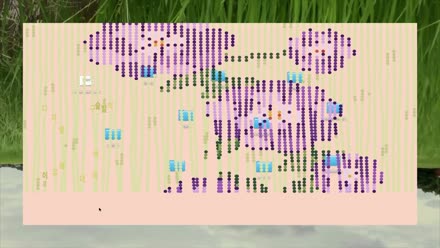
PC 화면 위에 구슬발이 드리워지도록 만든 작업이다. 디지털 세상으로부터 보호받아야 할 존재들을 위한 보호막을 상상하며, 바람에 흔들리는 구슬발을 화면 안으로 옮겼다. 컴퓨터, 인스타그램, 유튜브 등을 디지털의 위험을 대표하는 대상으로 삼고 그 위에 구슬발을 겹쳐 놓았다. 웹에서 먼저 프로토타입을 만든 뒤, Electron을 사용해 PC 화면 위에서도 작동하는 프로그램으로 구현했다.
This project places a digital beaded curtain over a PC screen. I imagined it as a shield for beings that need protection from the digital world. I brought the movement of a curtain swaying in the wind onto the screen. I chose computers, Instagram, and YouTube to represent digital dangers and placed the curtain over them. I first made a web prototype, then used Electron to turn it into a program that runs over the PC screen.
Tars-speaker
제작연도: 2025
갈래: multi material objet
갈래: multi material objet
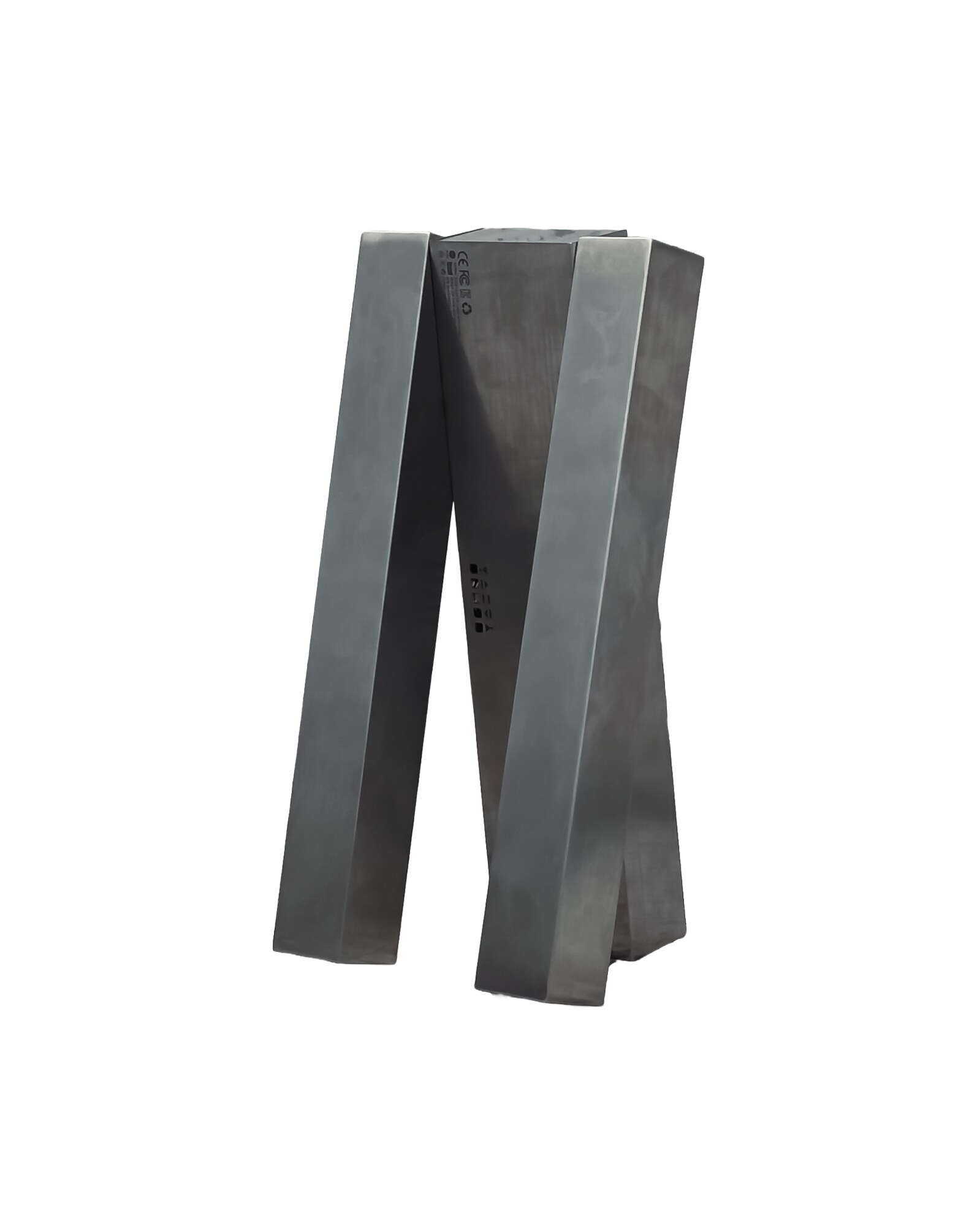
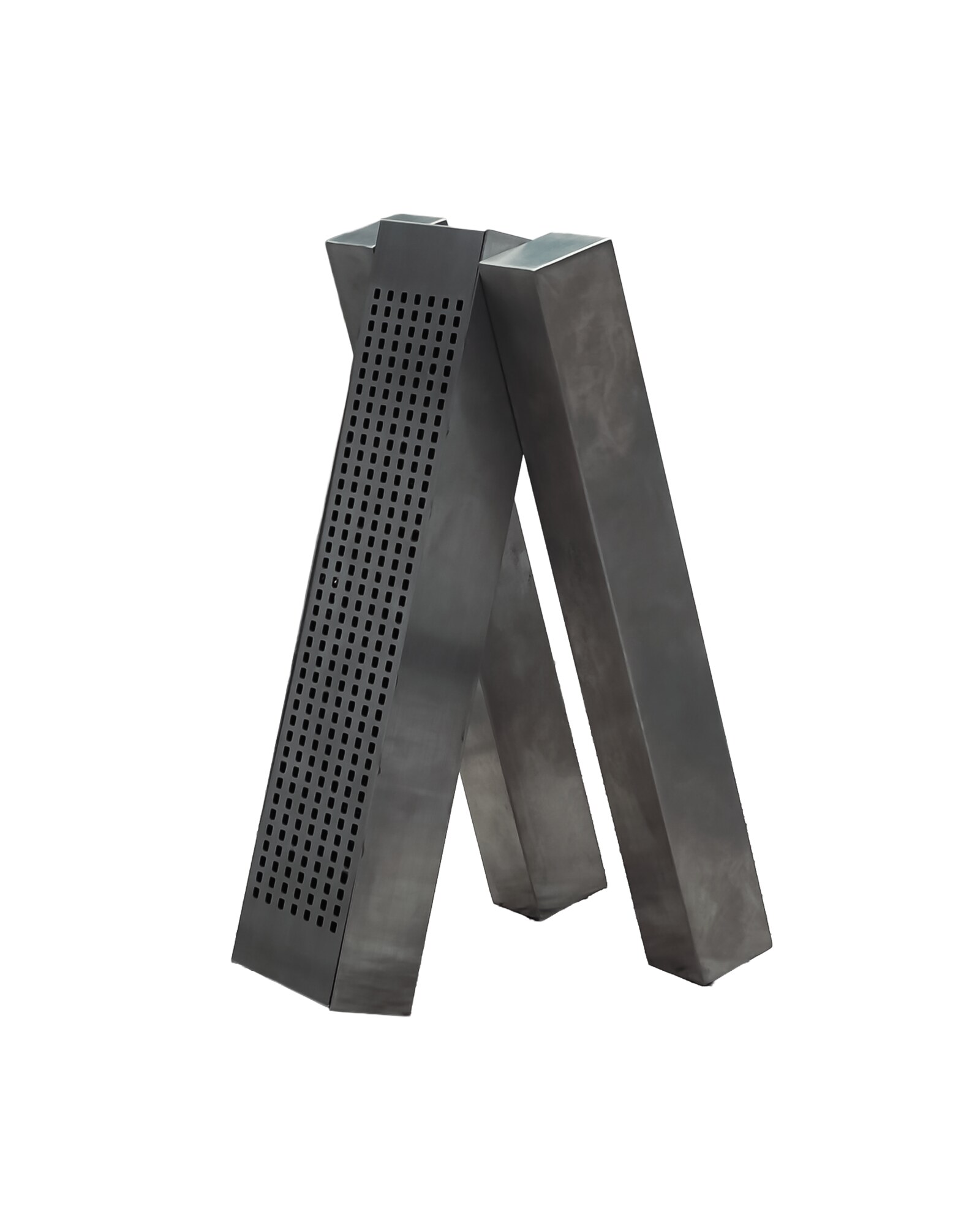
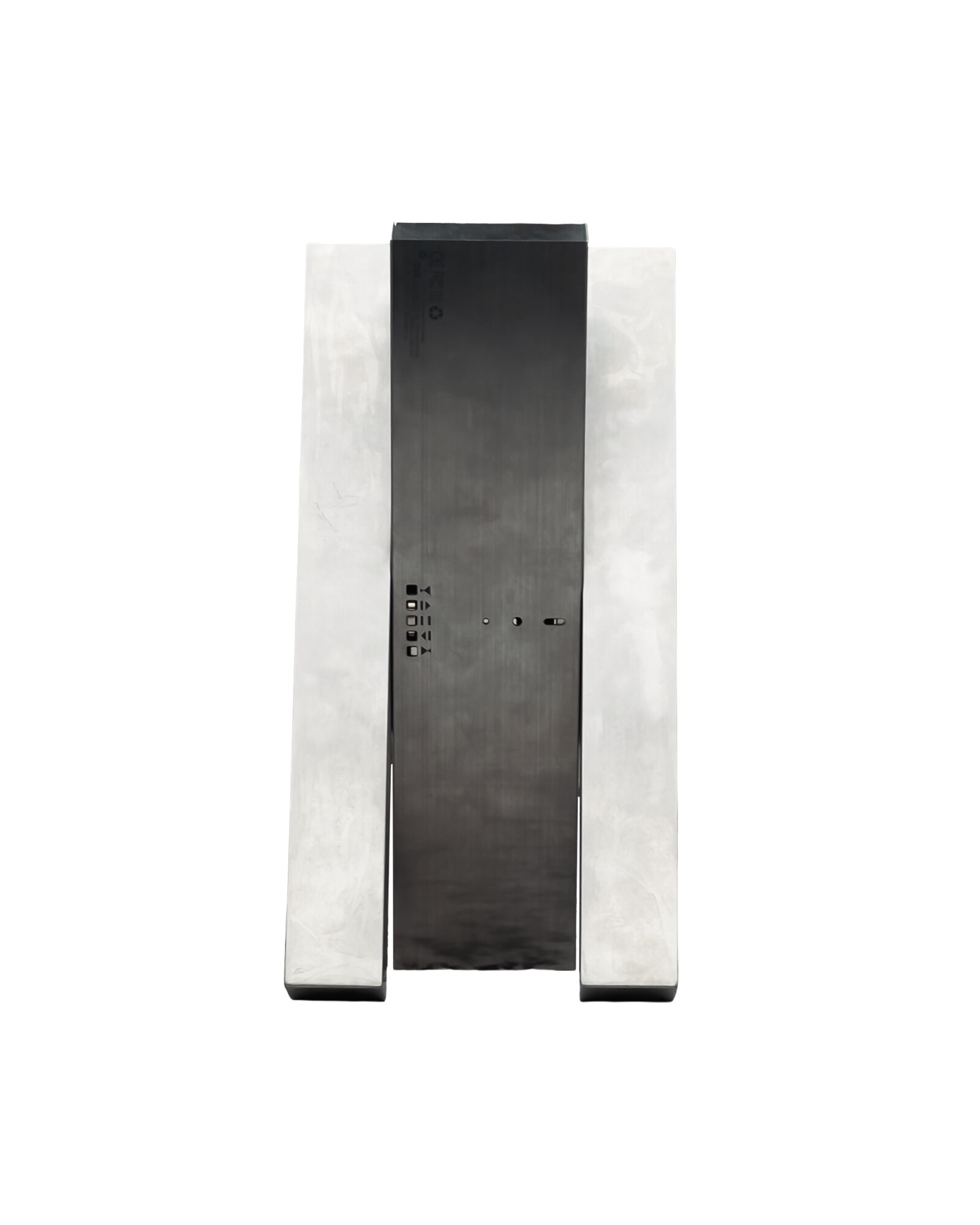
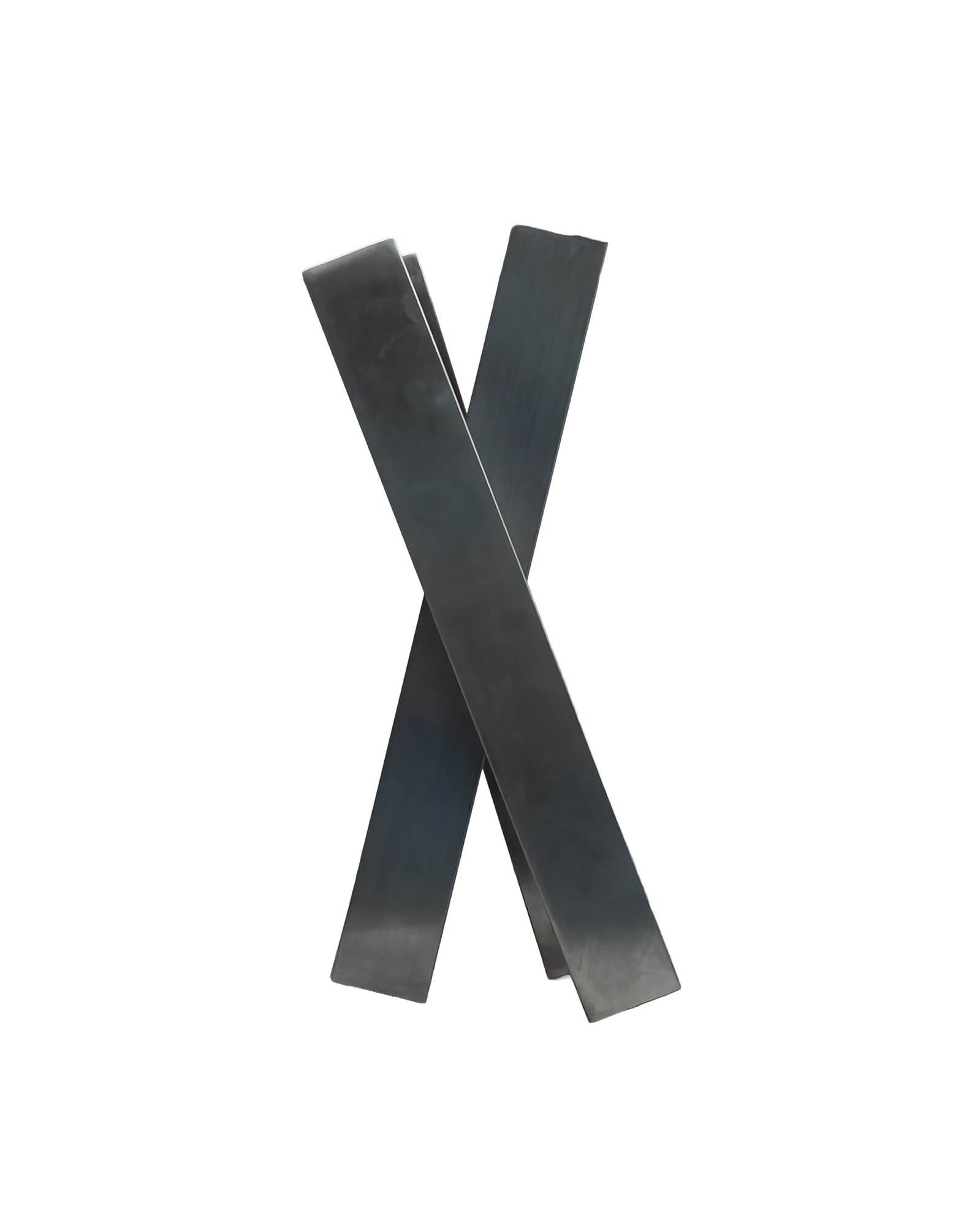
Tars-speaker
(2025)
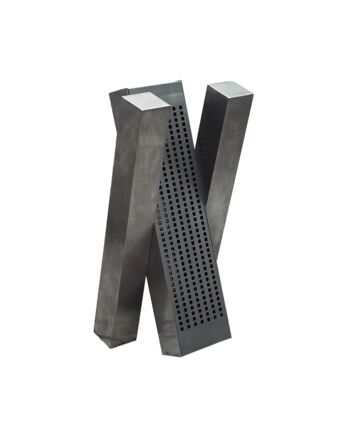
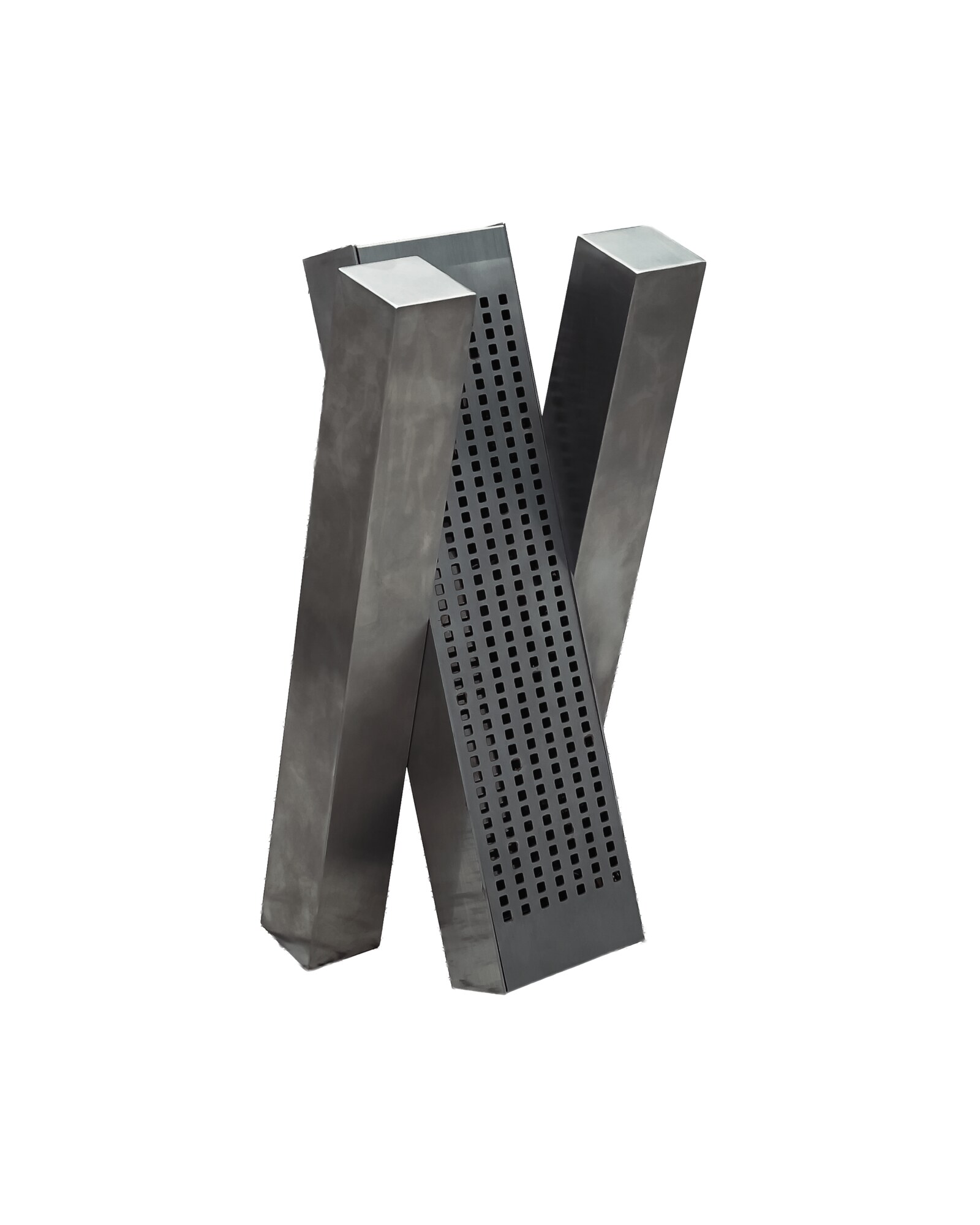
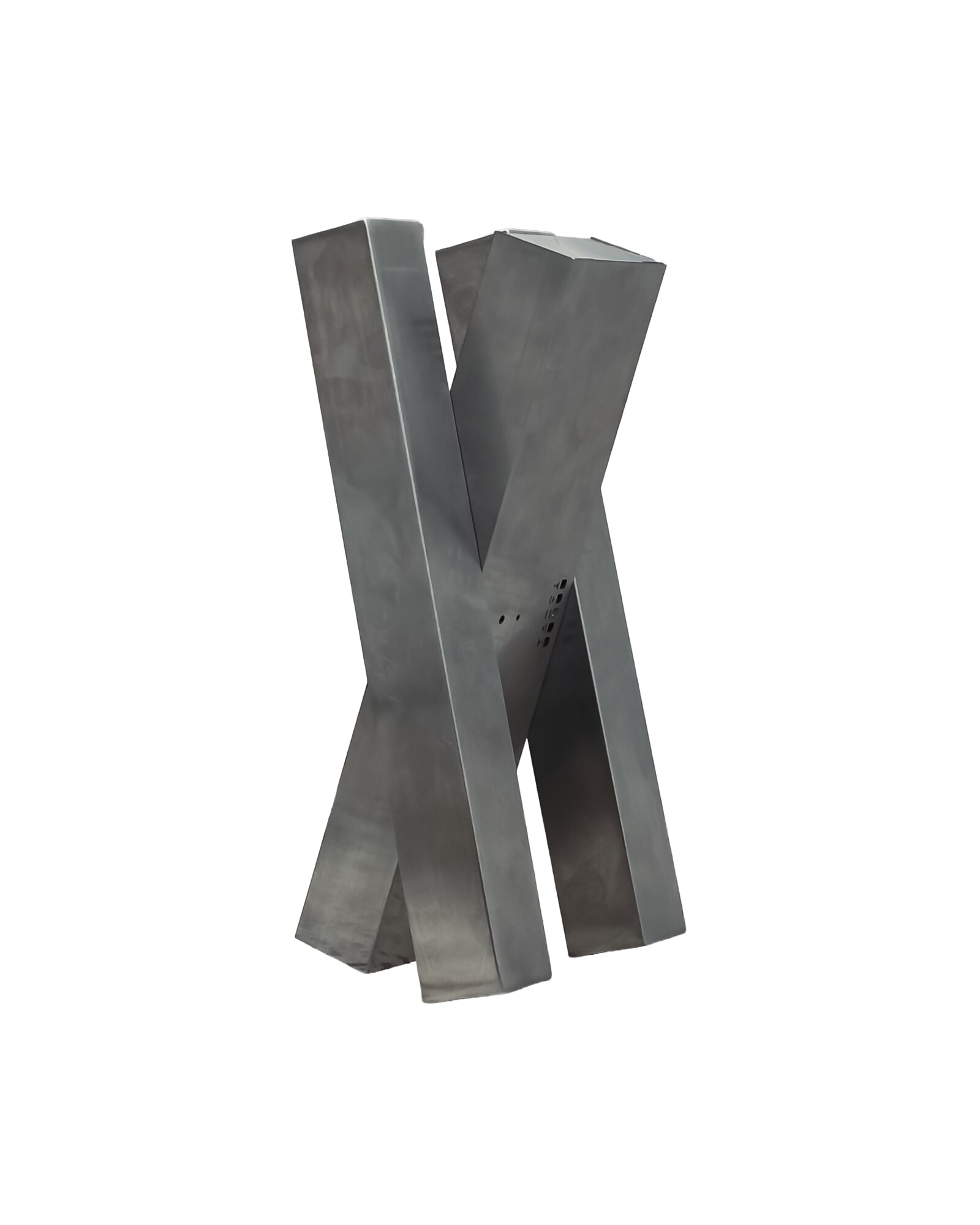
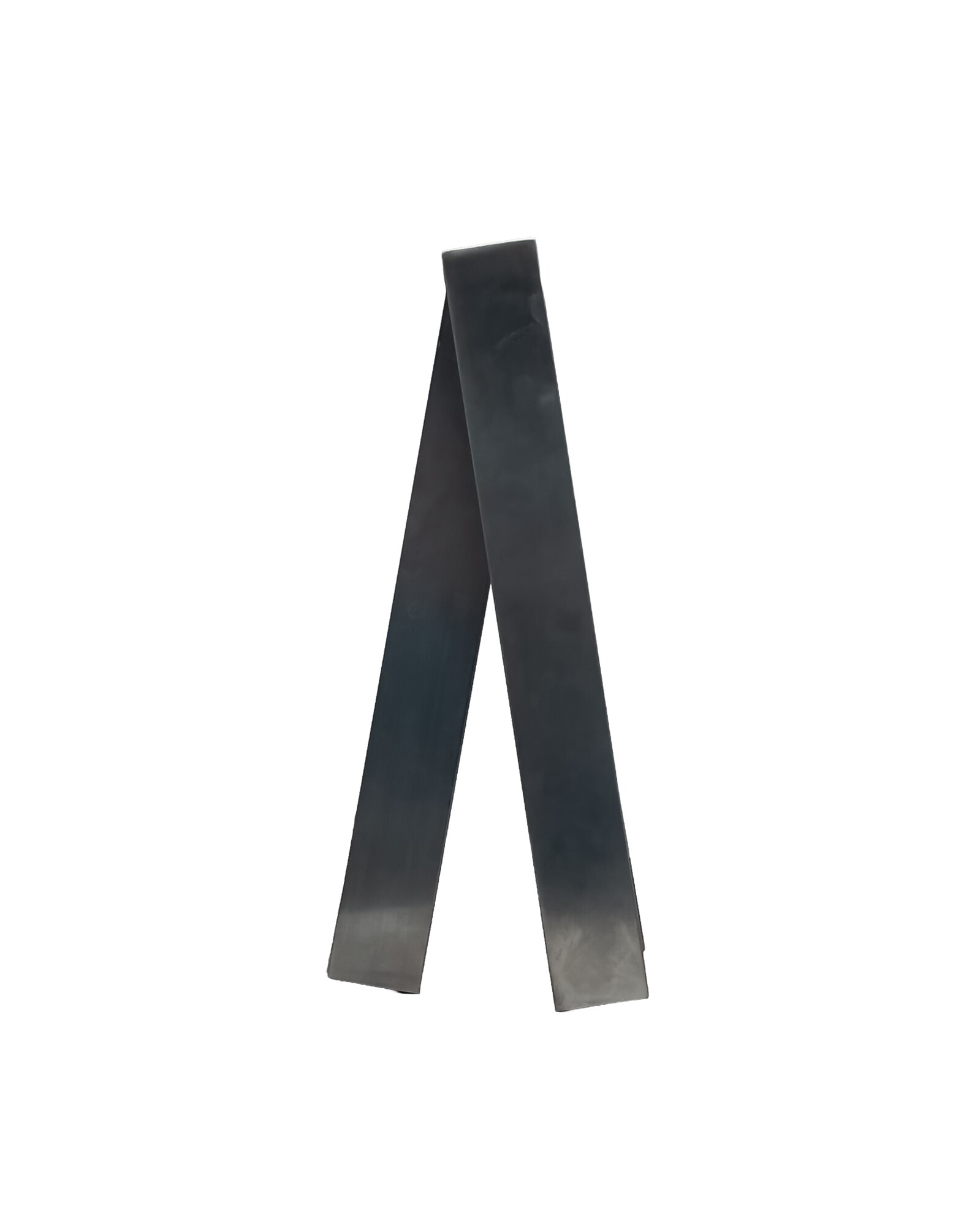
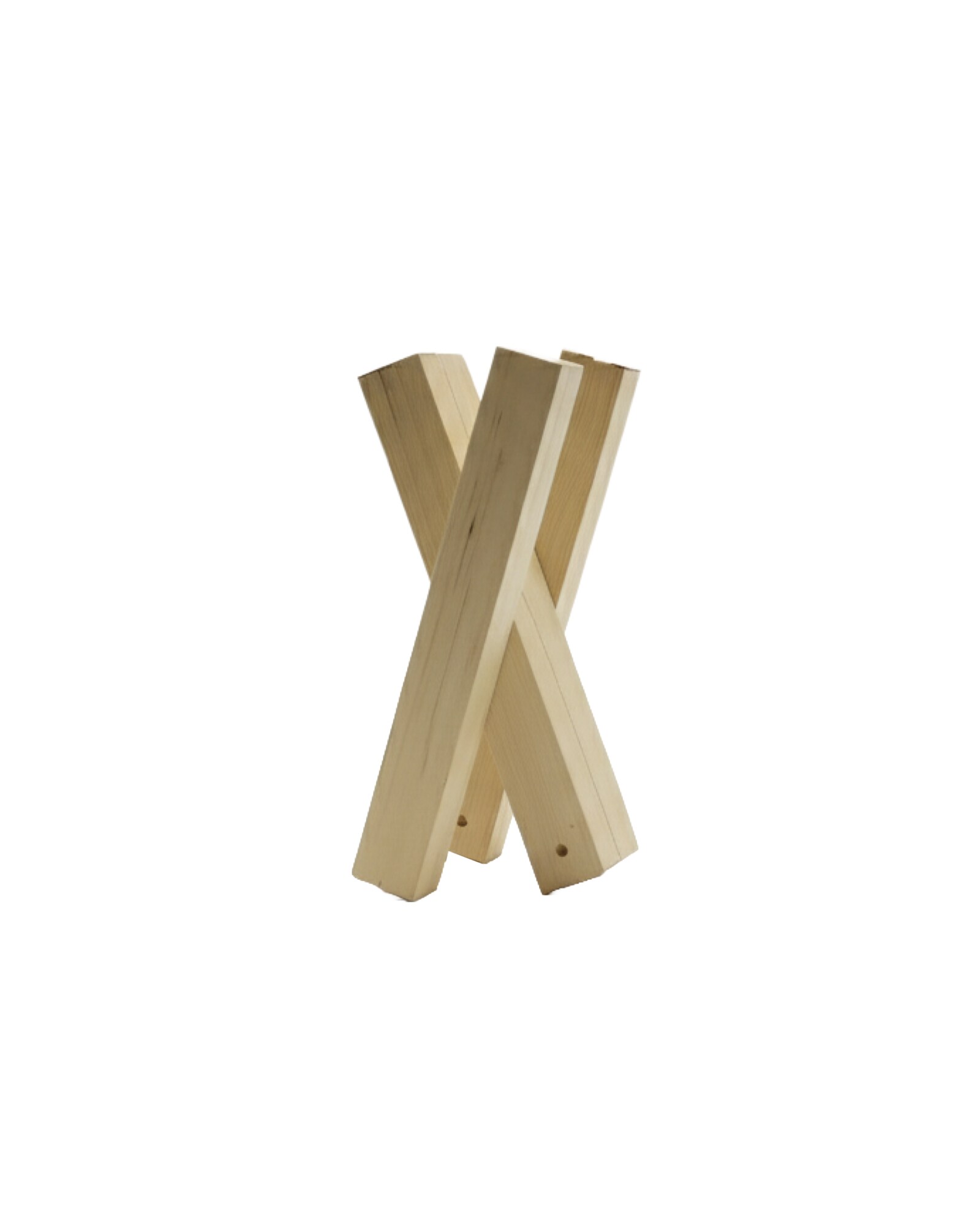
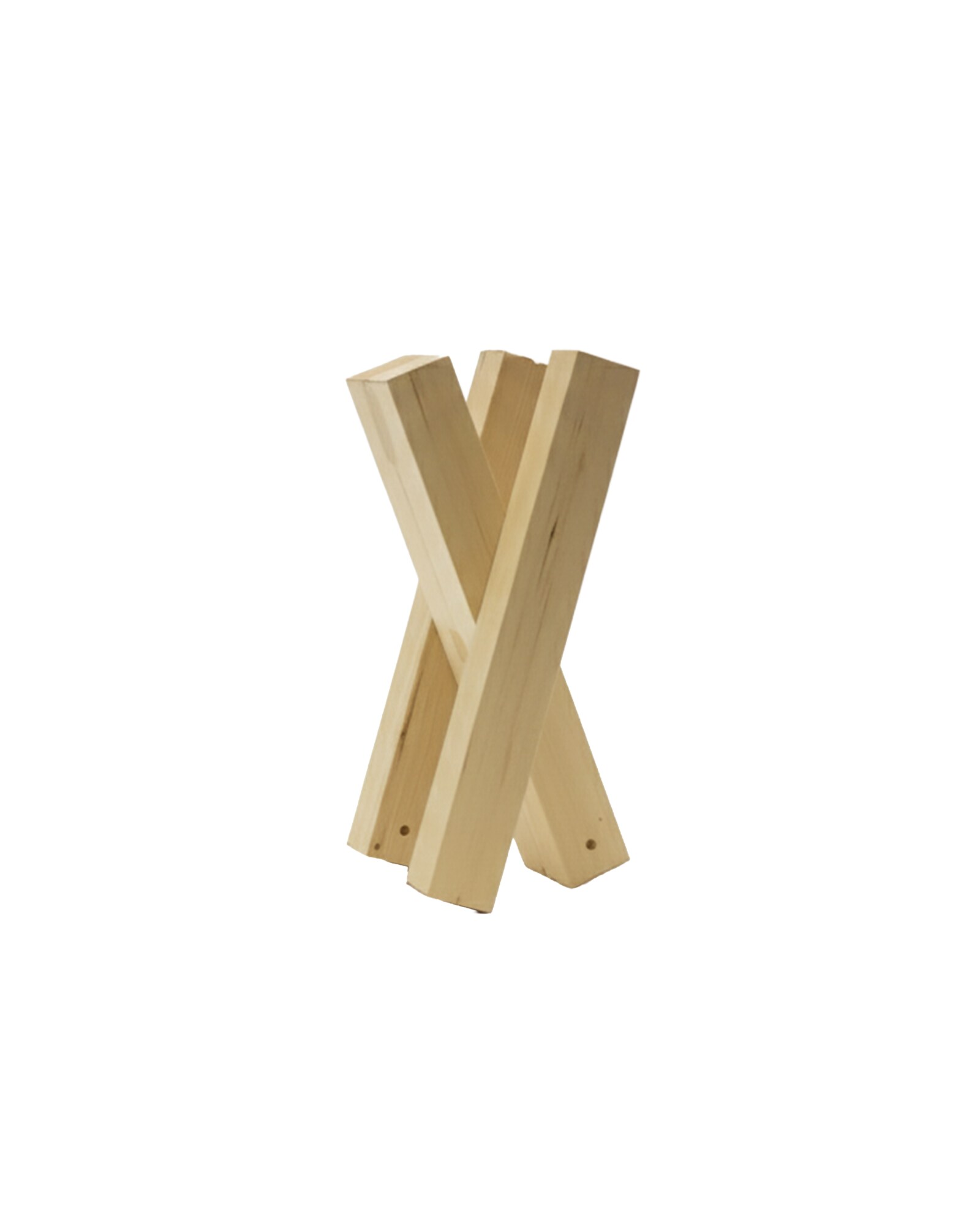
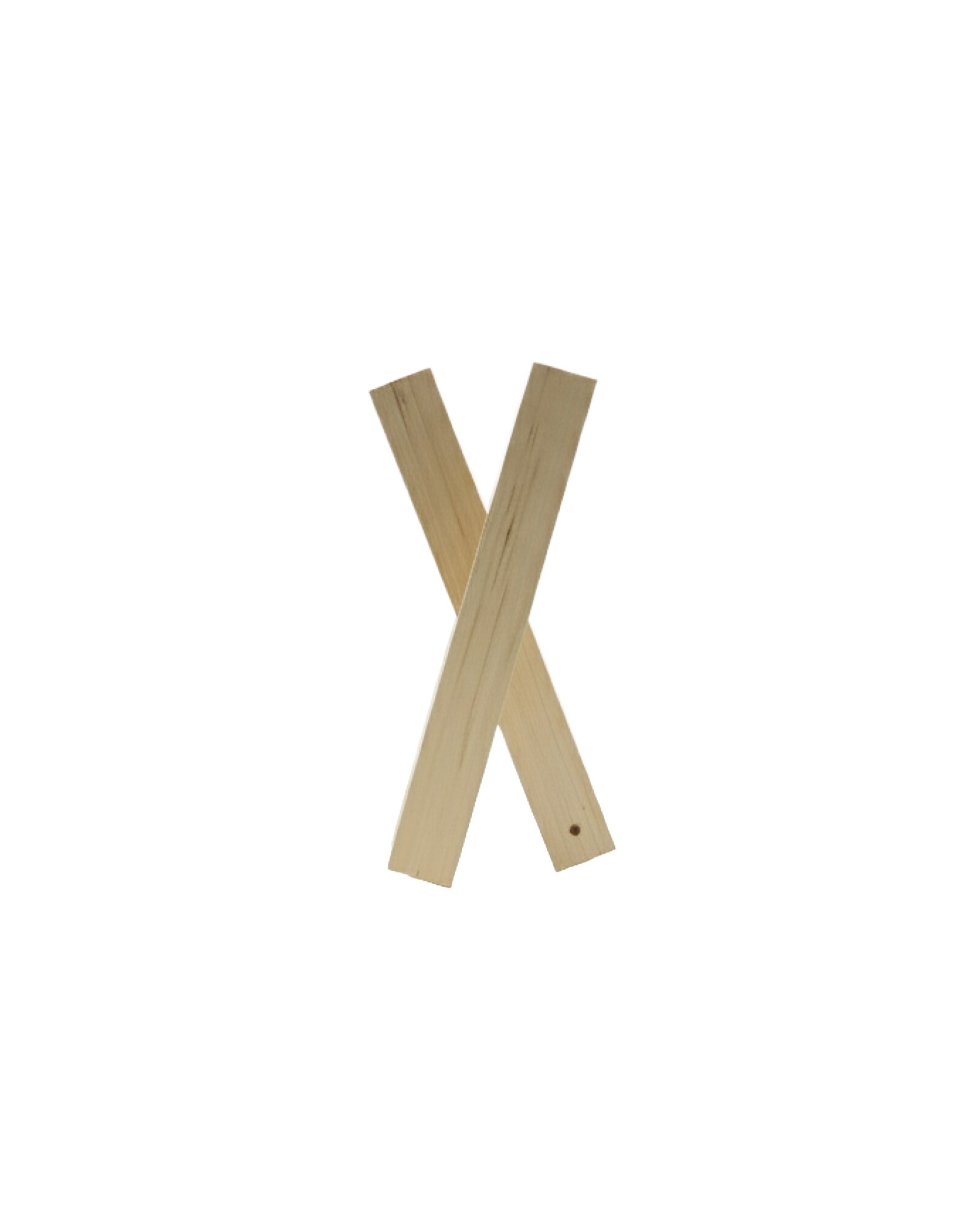
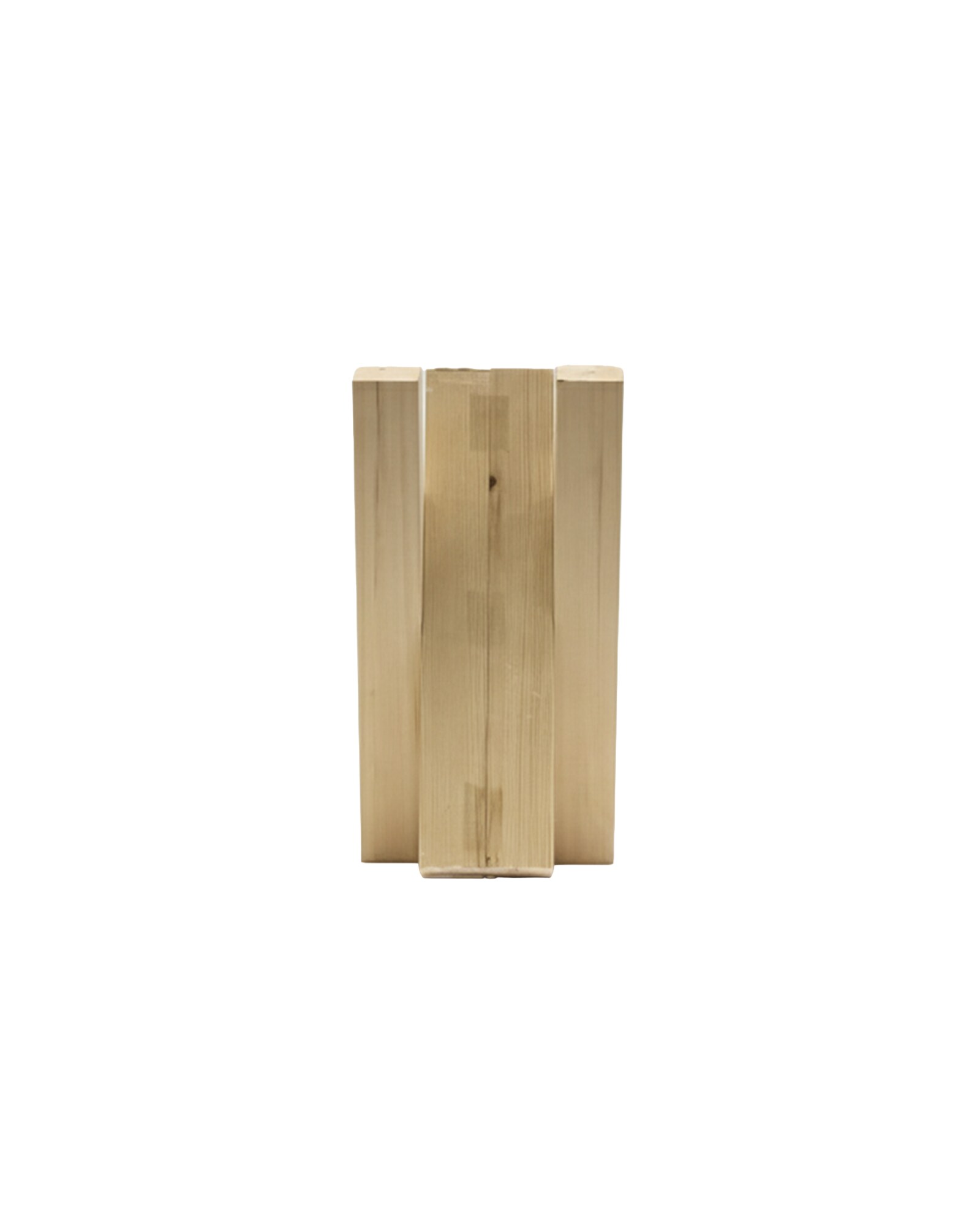
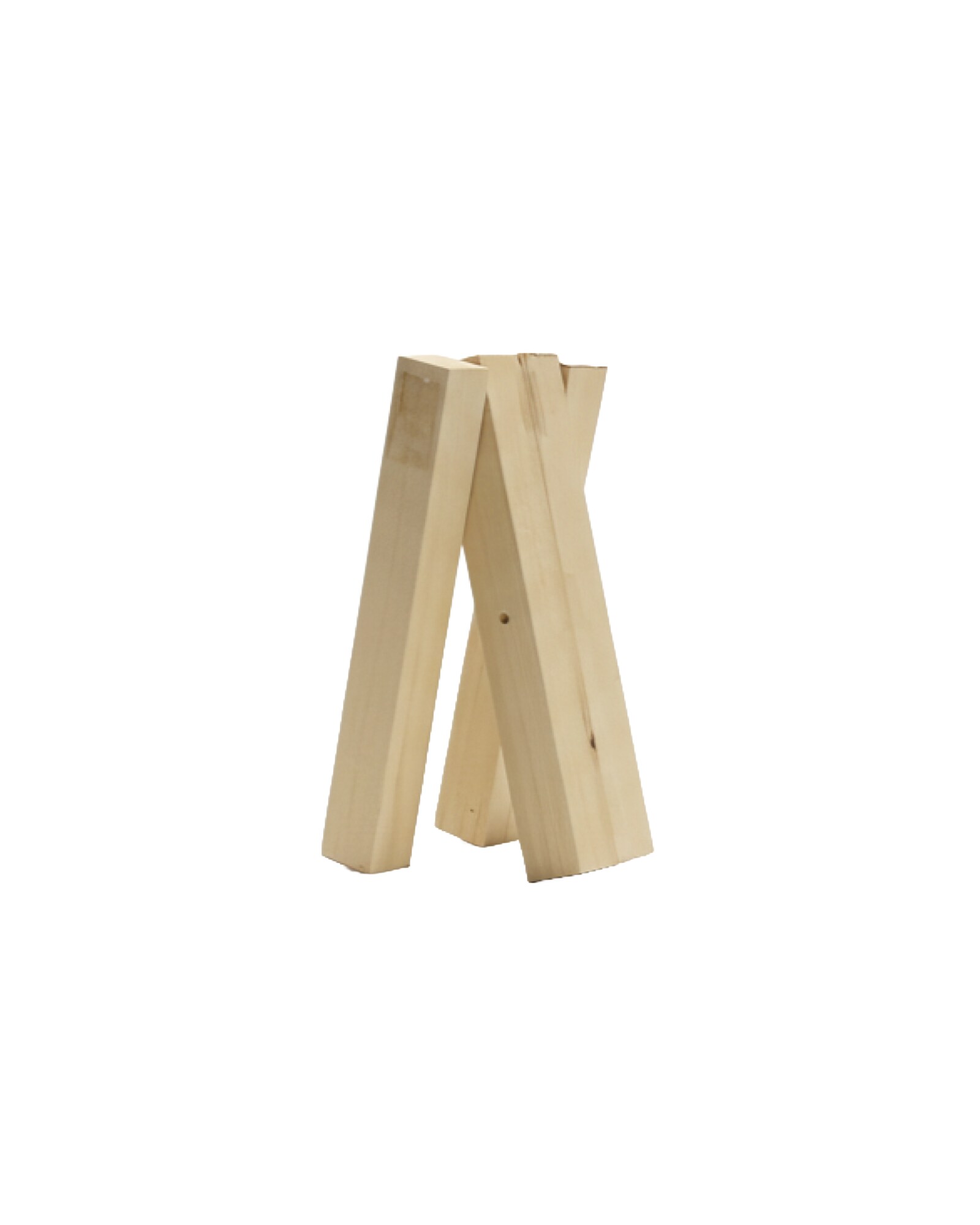
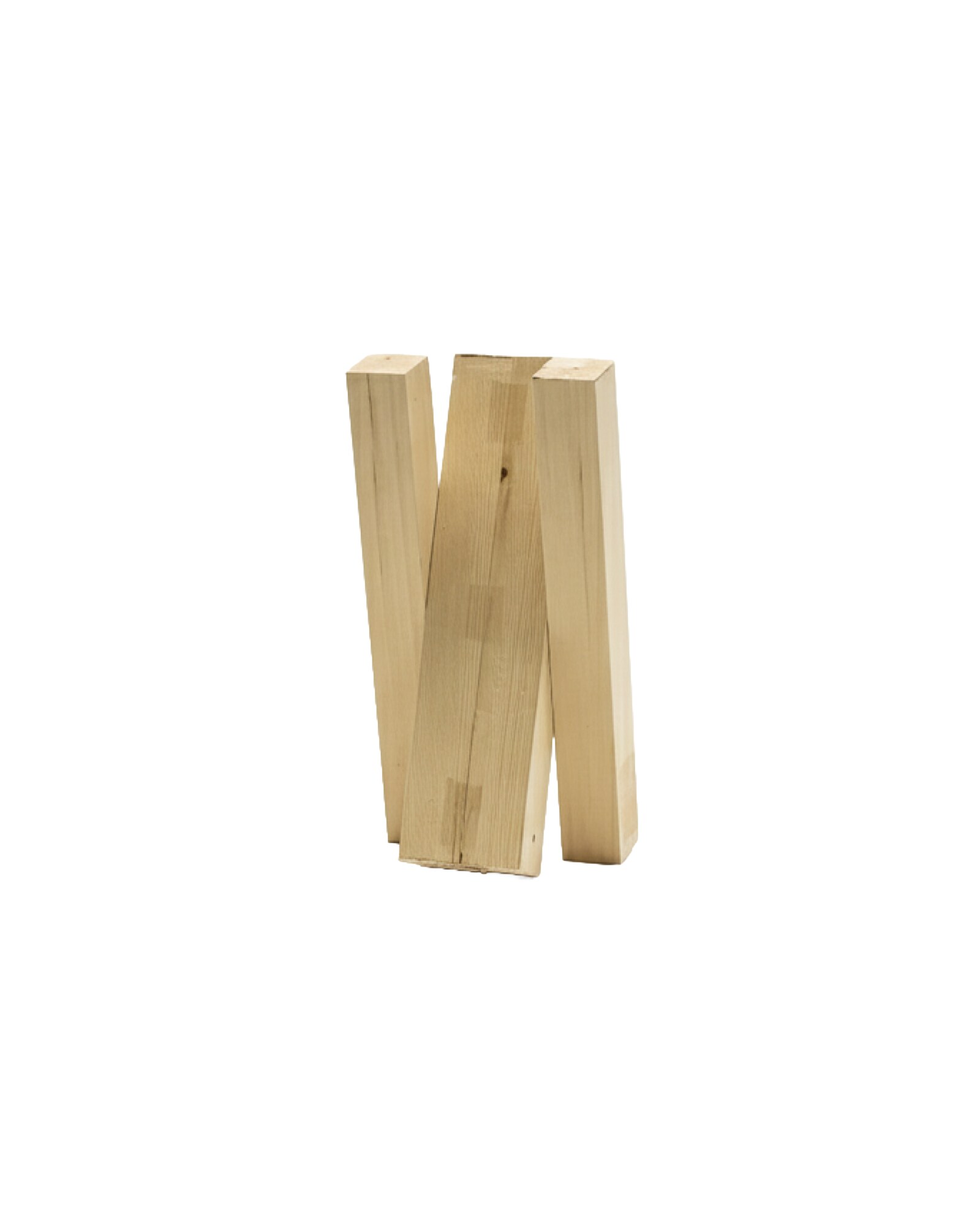
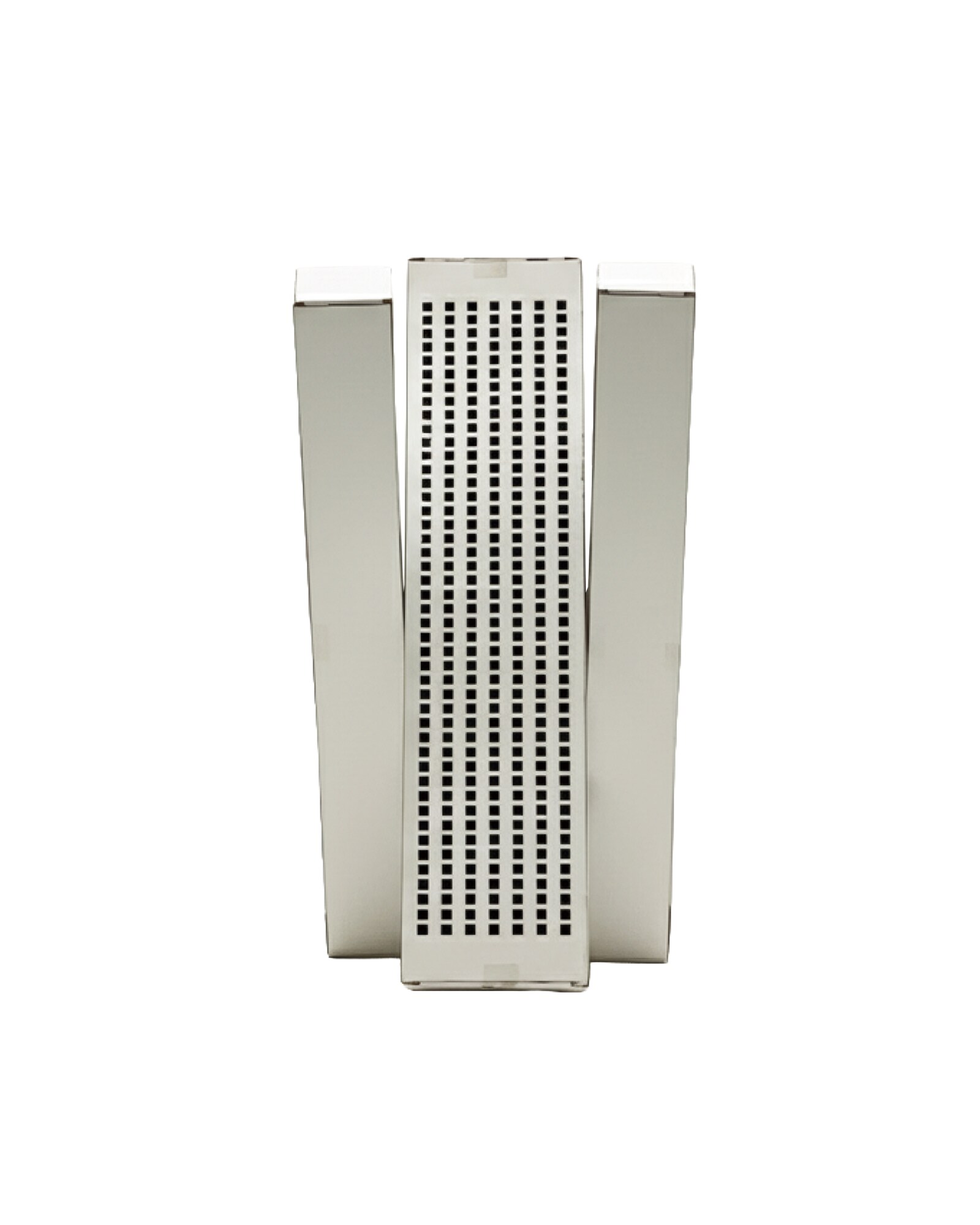
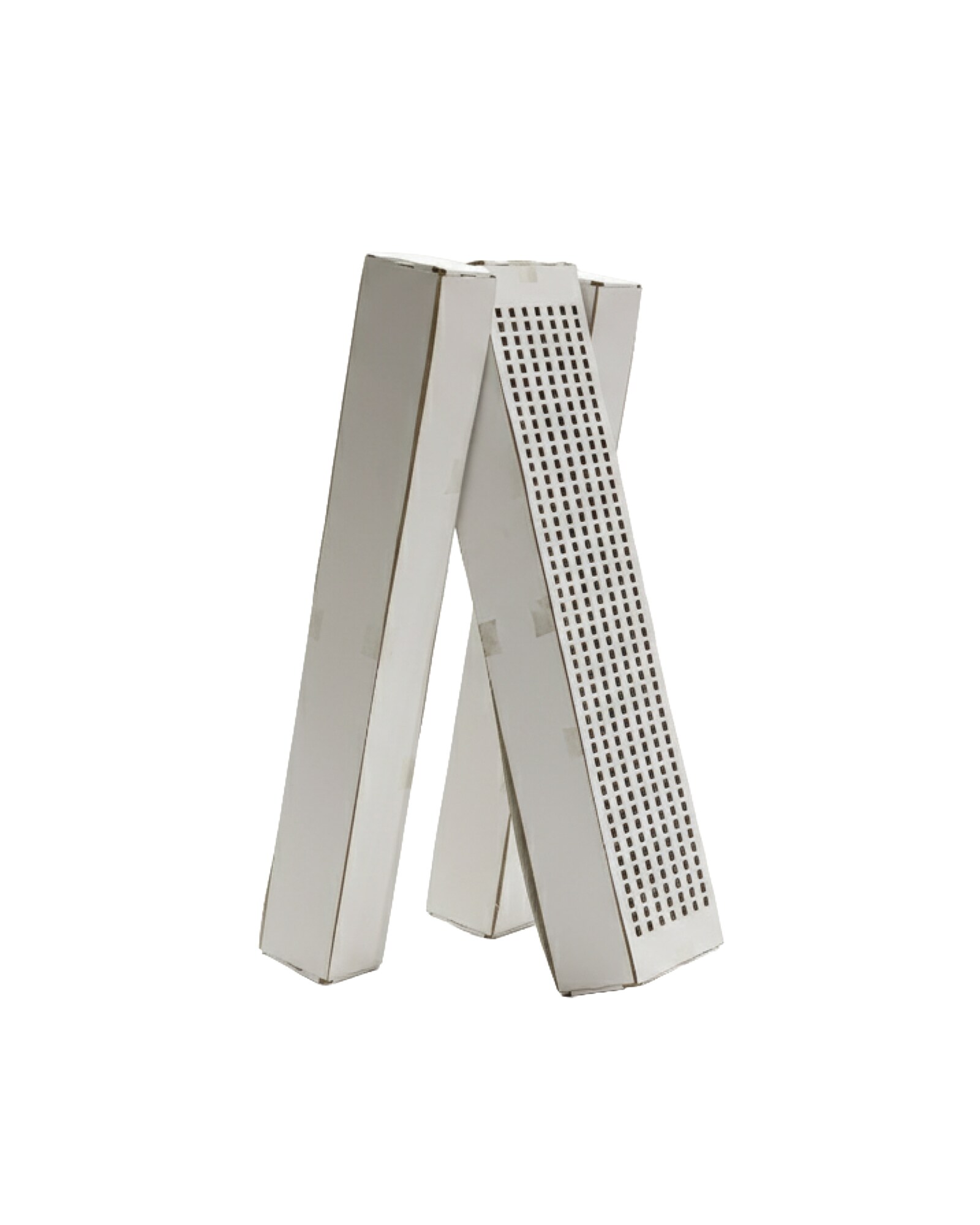
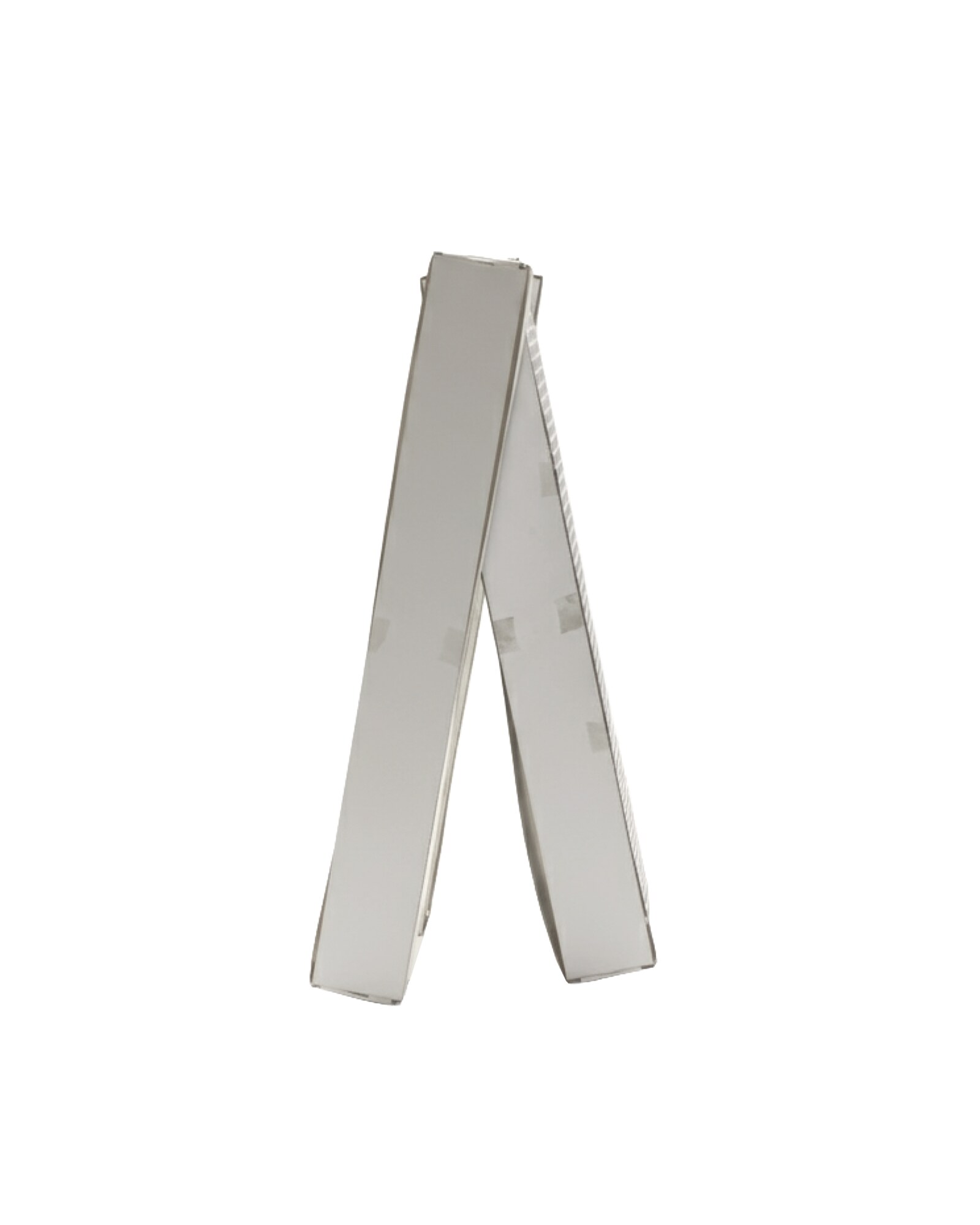
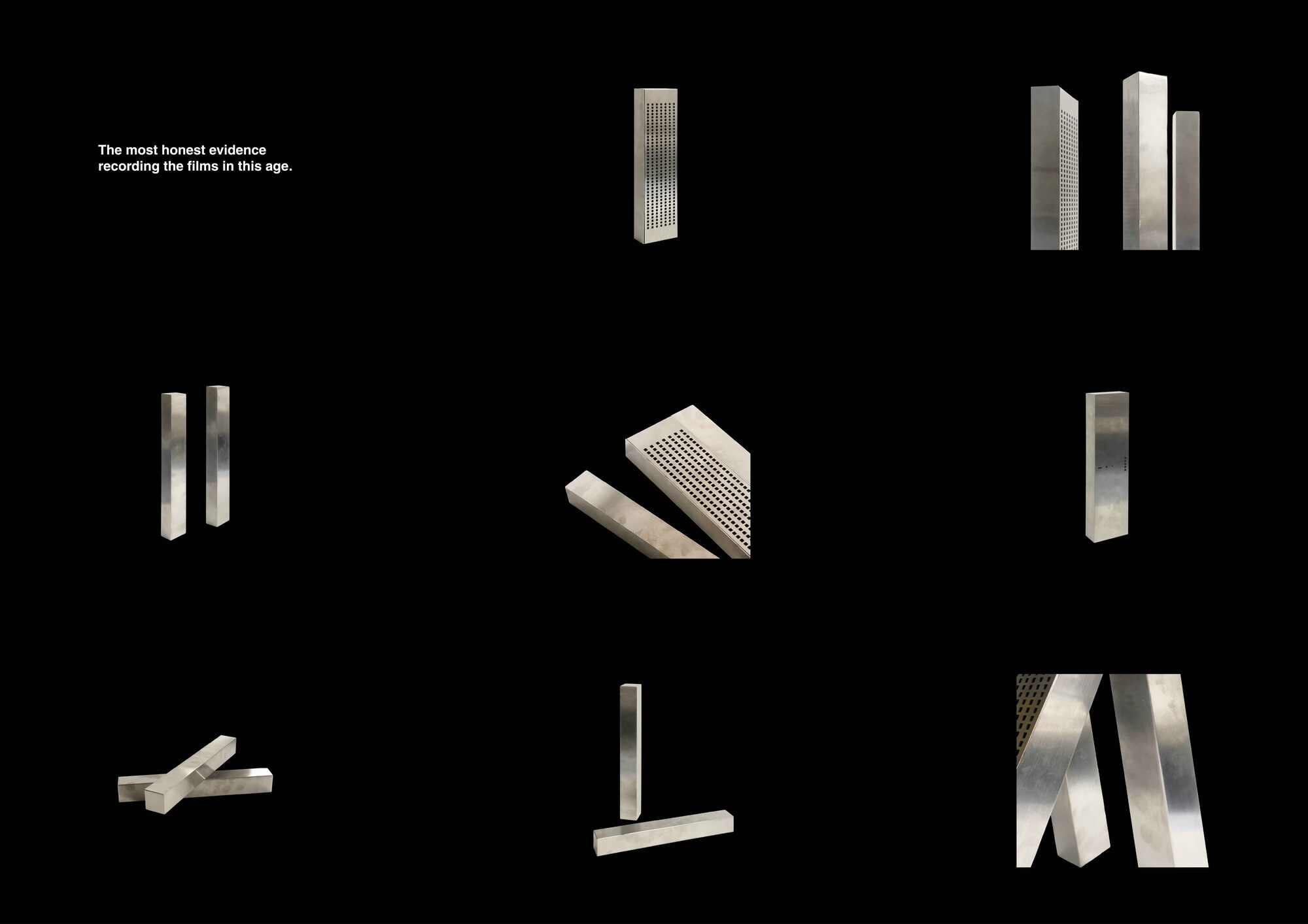
영화 속 직육면체 형태에서 영감을 받아 만든 책상 위 스피커다. 스탠리 큐브릭의 Monolith와 크리스토퍼 놀란의 TARS를 떠올리며 철, 적송, 종이를 재료로 사용했다. 소리가 나오는 정사각형 구멍을 세로로 배열해 몸체의 길쭉한 비례를 강조했다. 뒷면에는 꼭 필요한 조작부만 두고, 회전하는 TARS처럼 위아래를 뒤집어도 사용할 수 있도록 했다.
This desk speaker was inspired by the rectangular shapes of Stanley Kubrick’s Monolith and Christopher Nolan’s TARS. I used steel, red pine, and paper to make it. Square holes let sound out. Their vertical pattern highlights the tall, slim shape of the body. The back has only the essential controls. Inspired by the way TARS rotates, I designed the speaker so it can also be used upside down.
Liminal
제작연도: 2025
갈래: textile, illustration
갈래: textile, illustration
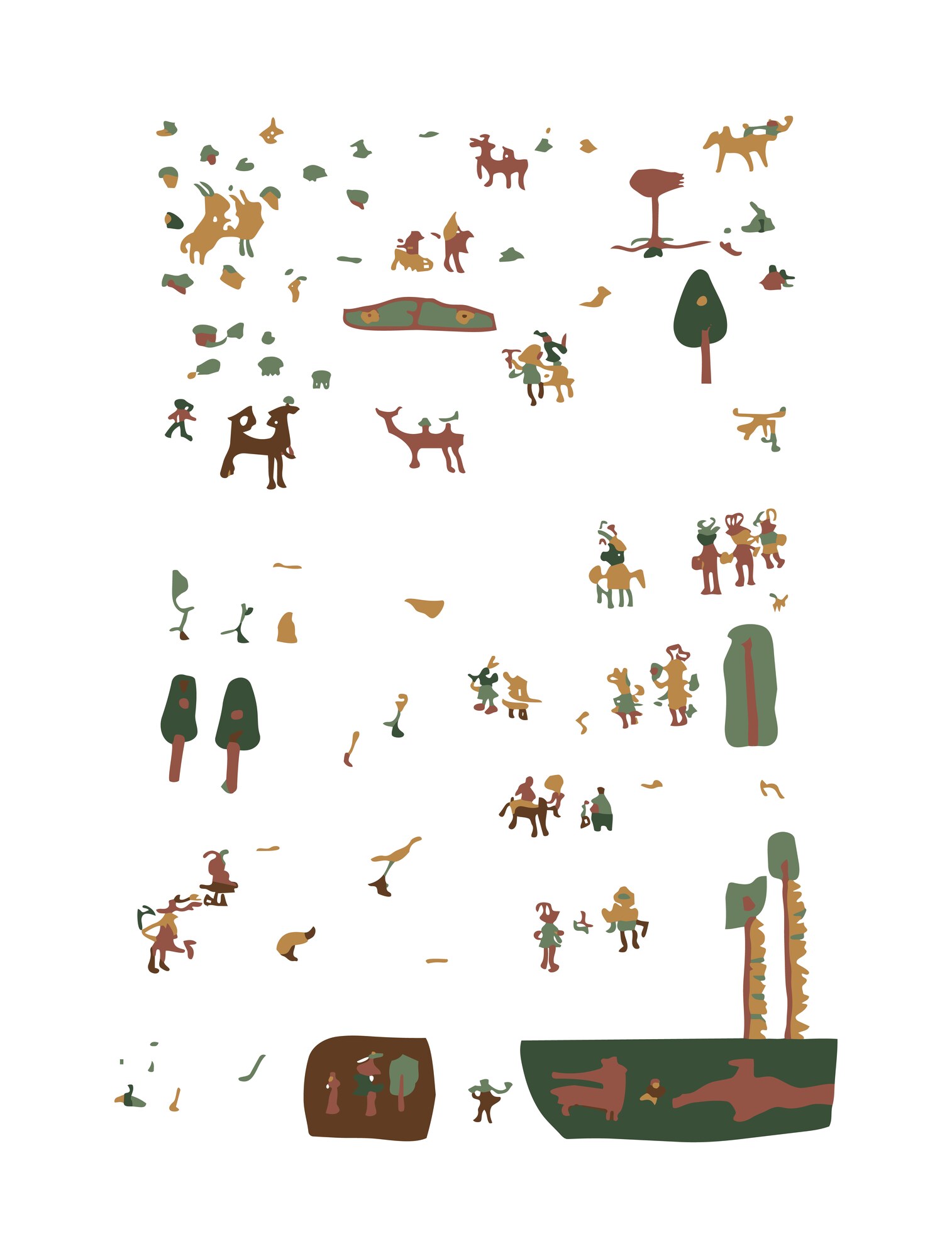
Liminal
(2025)
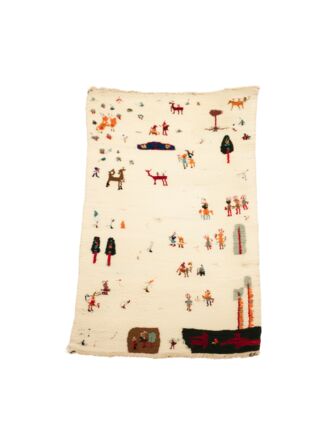
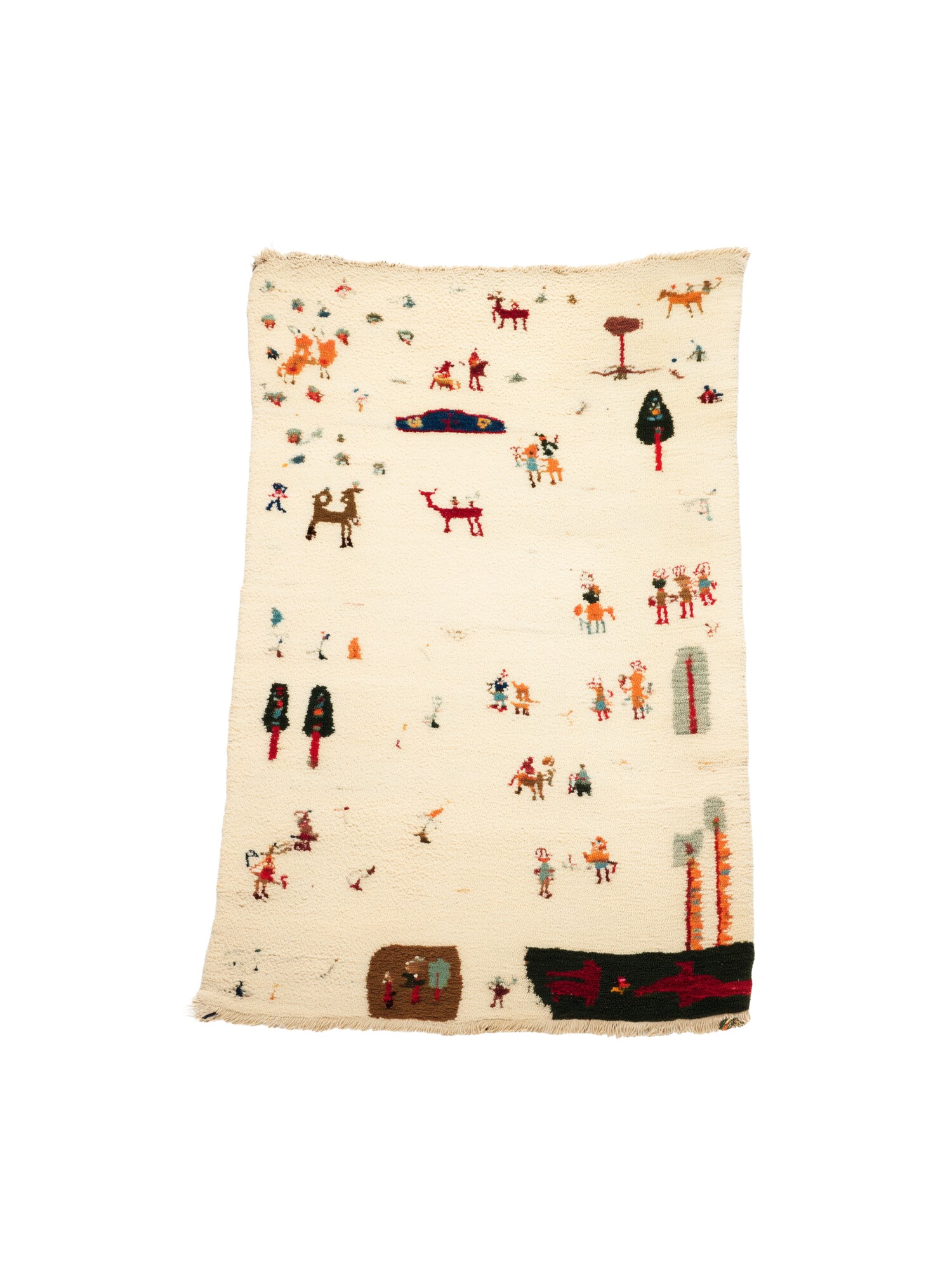
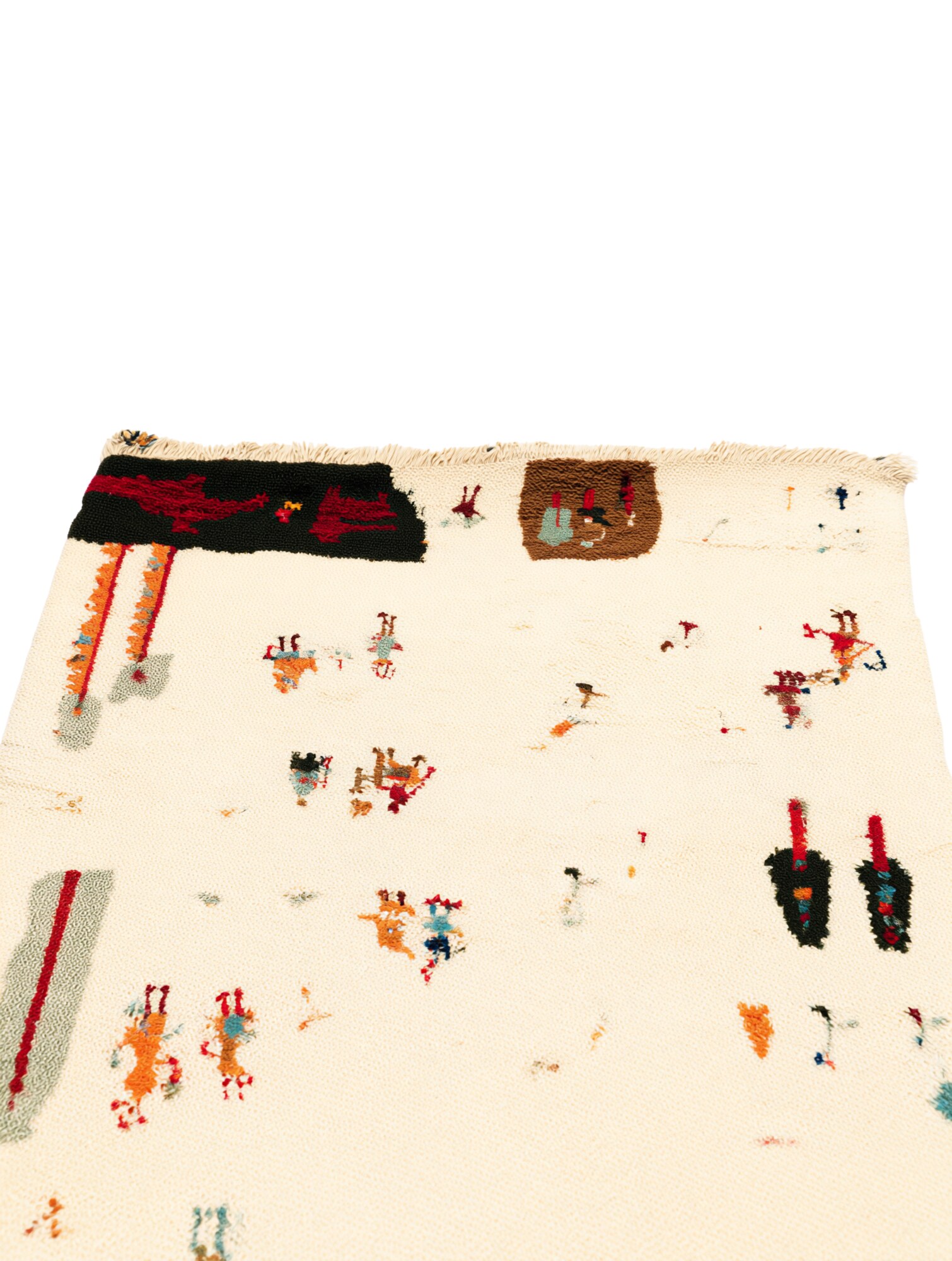
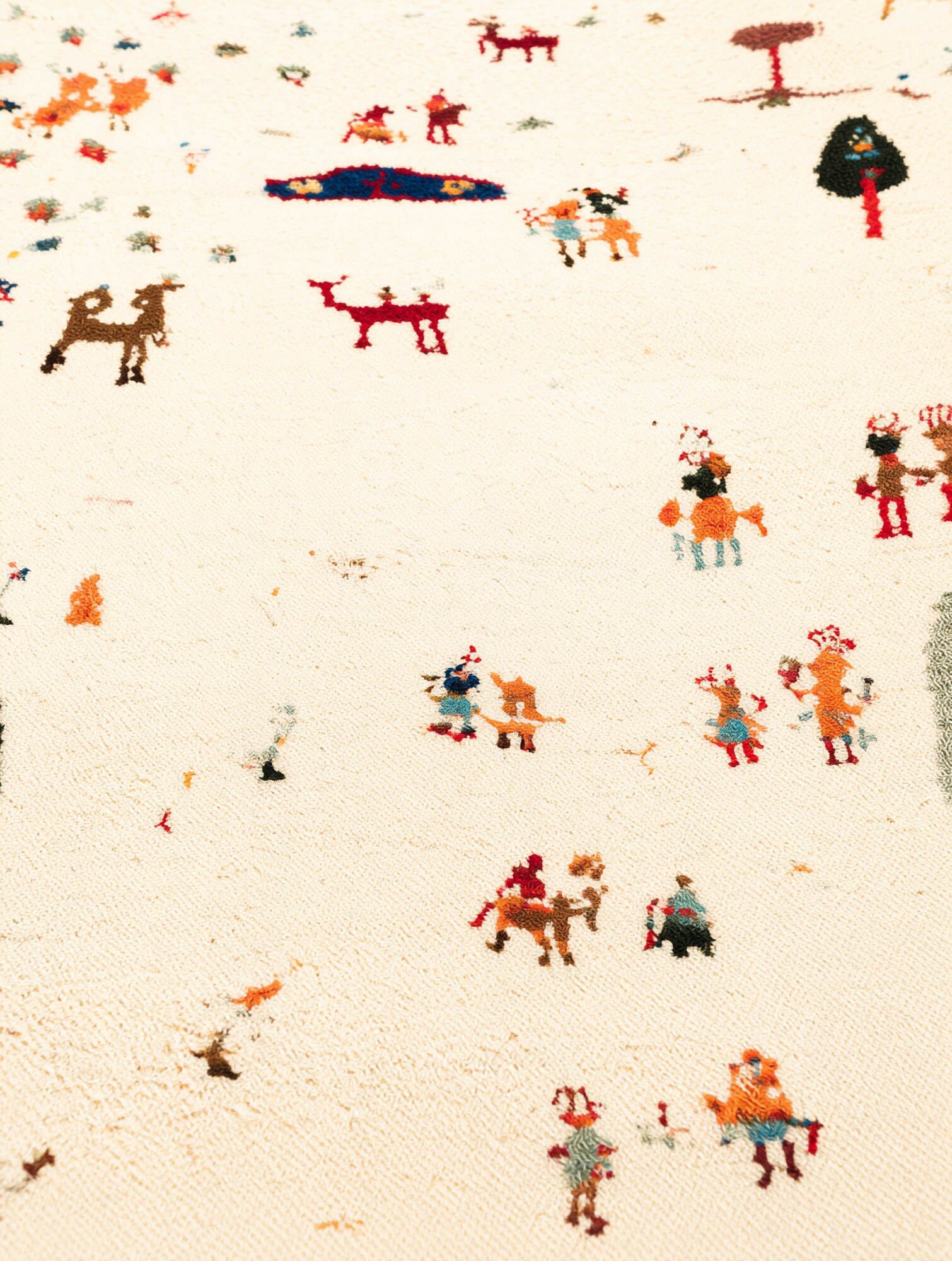
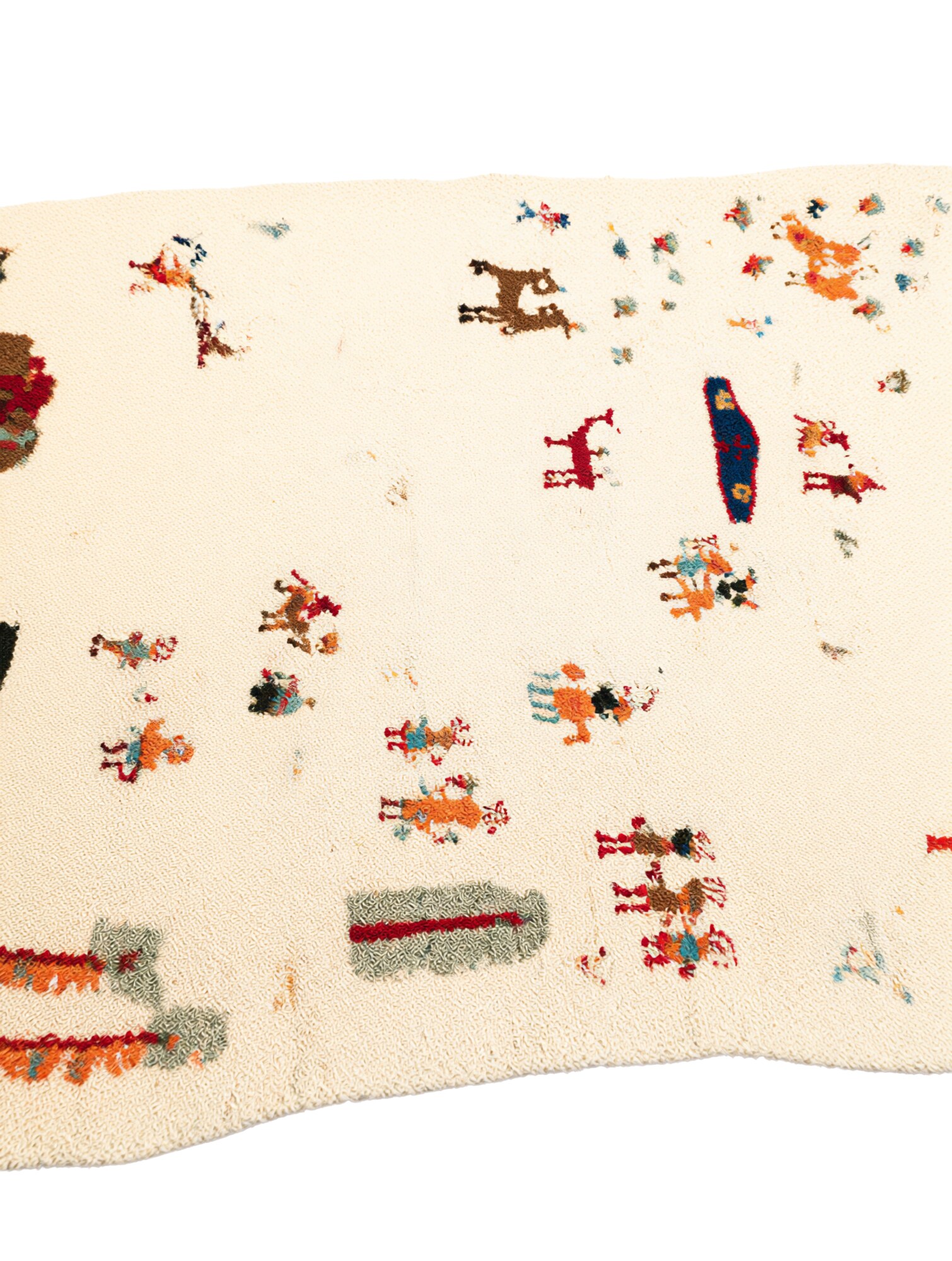
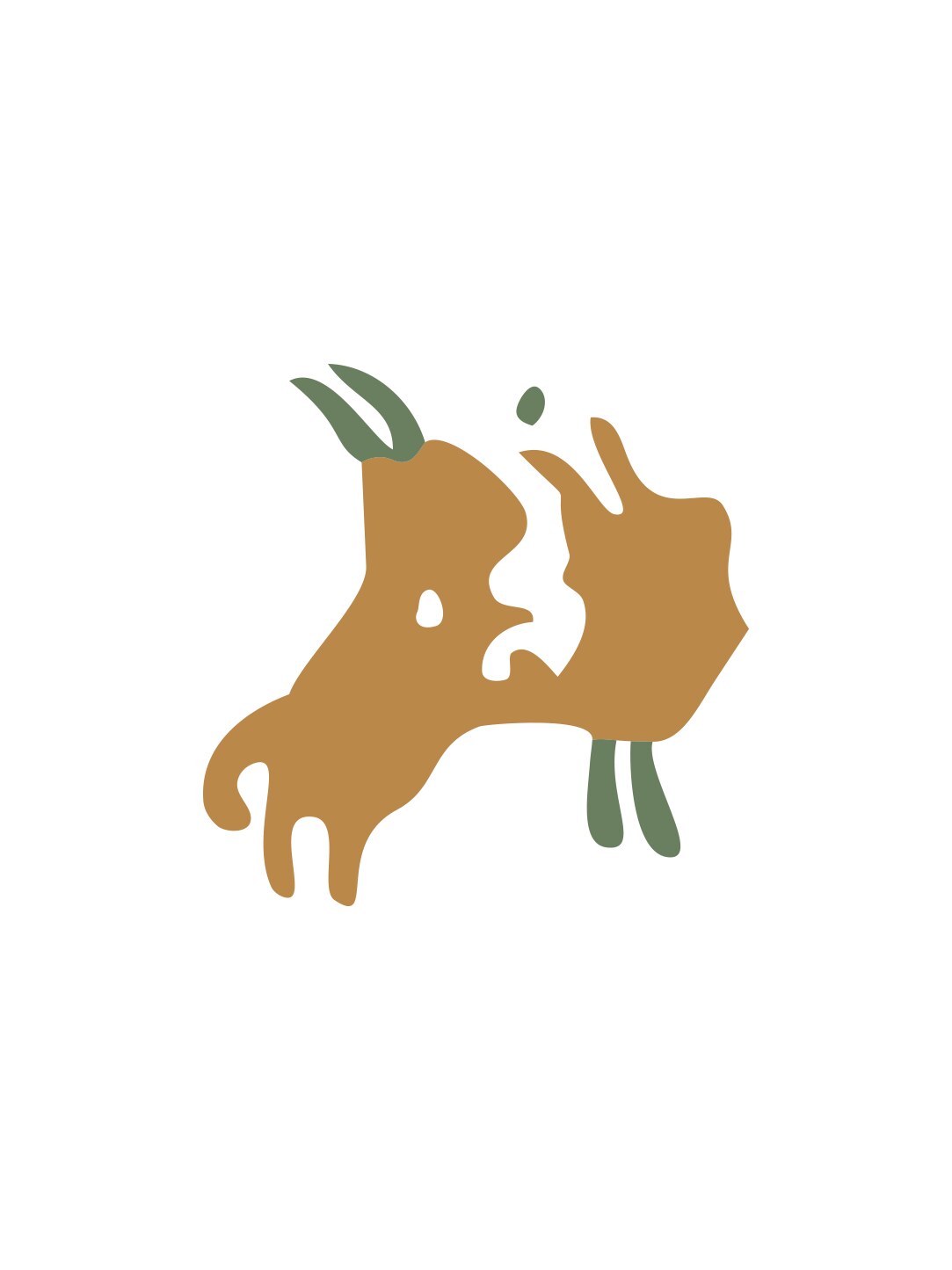
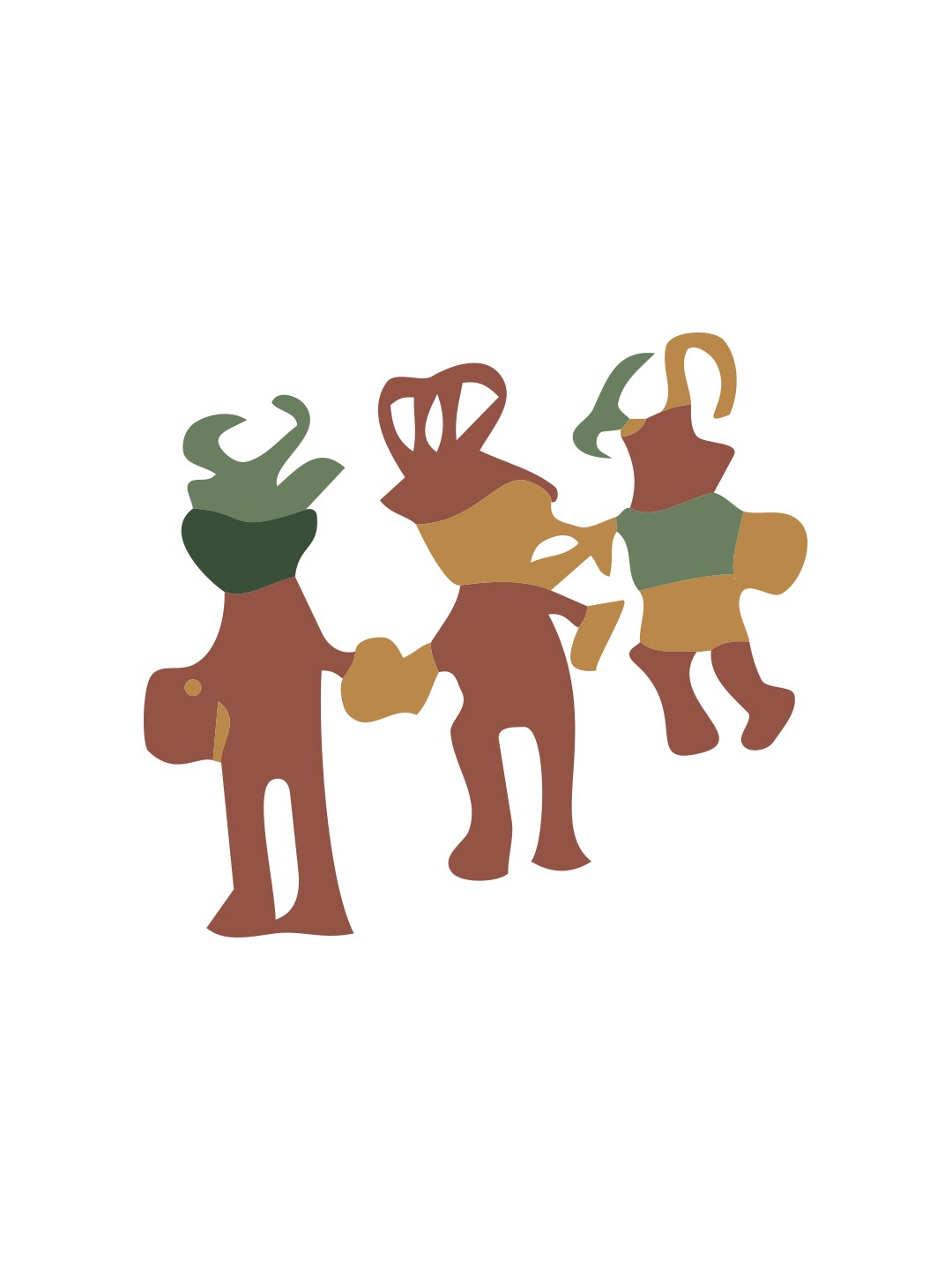
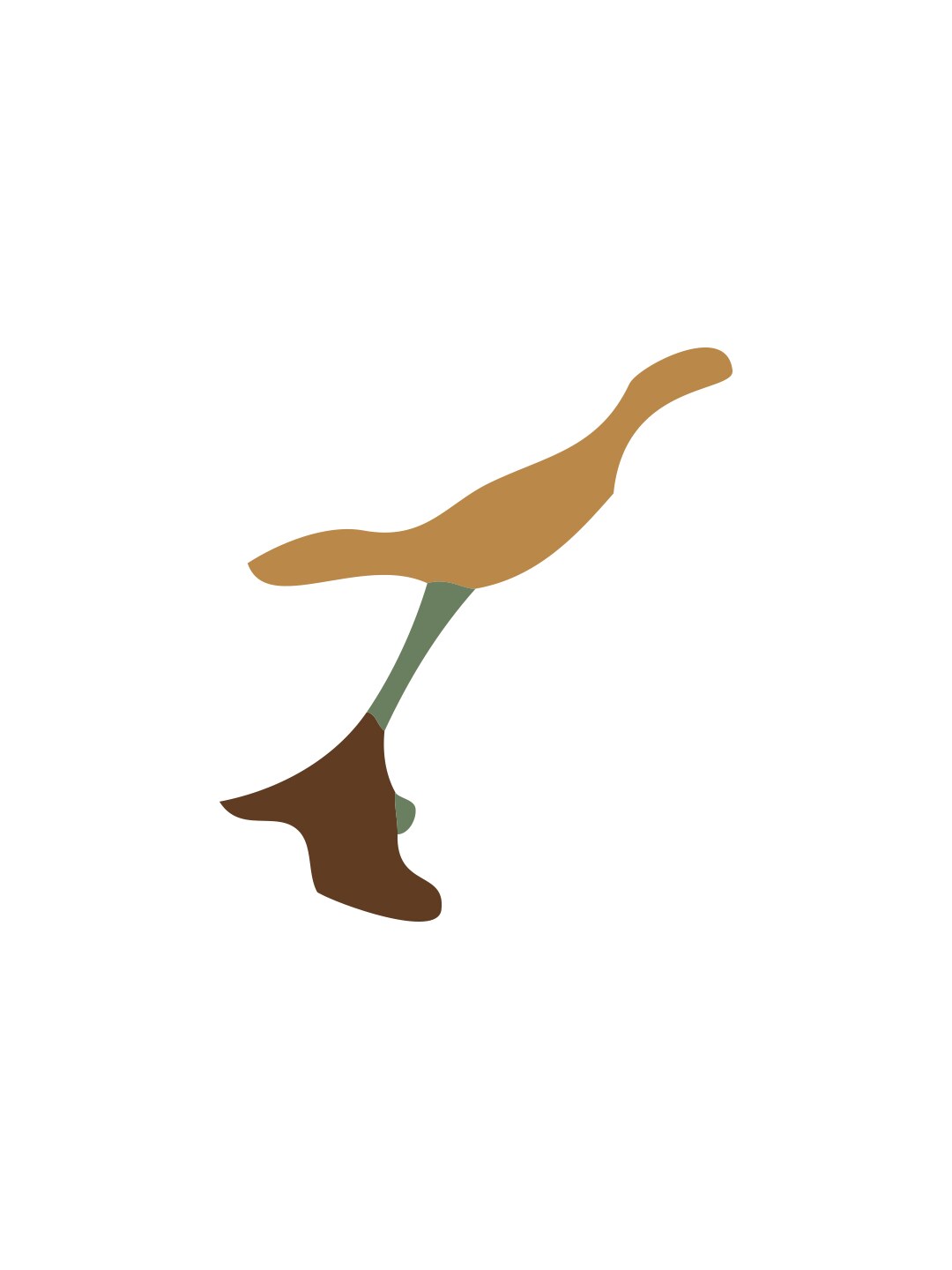
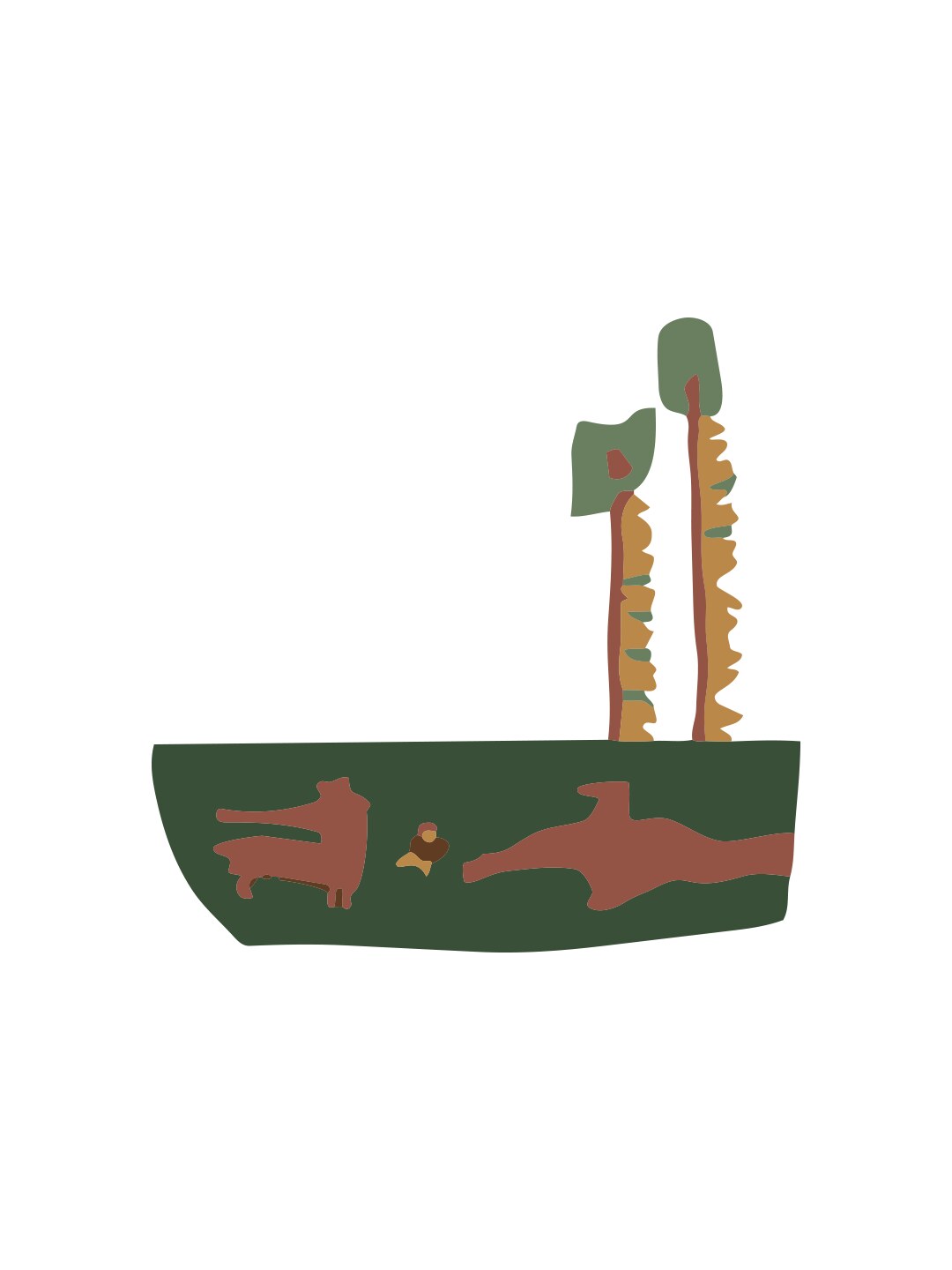
사람과 동물 등을 닮은 형상들을 해진 면직물 위에 배치한 작업이다. 이들이 일상에서 맡던 역할에서 벗어나 함께 머무는 공간을 상상하고, 이를 ‘코뮤니타스의 땅’이라 이름 붙였다. 가베 스타일에서 영감을 받은 형상들이 서로 어떤 관계를 맺는지에 집중했다. 익숙한 모습을 낯선 조합으로 배치해 현실과 비현실 사이의 풍경을 표현했다.
This textile work places forms that look like people and animals on worn cotton fabric. I imagined a place where they could leave their everyday roles behind and stay together. I called it “the land of communitas.” The forms were inspired by the Gabbeh style. I focused on the relationships between them and arranged familiar shapes in unusual combinations to create a scene between the real and the unreal.
Contact